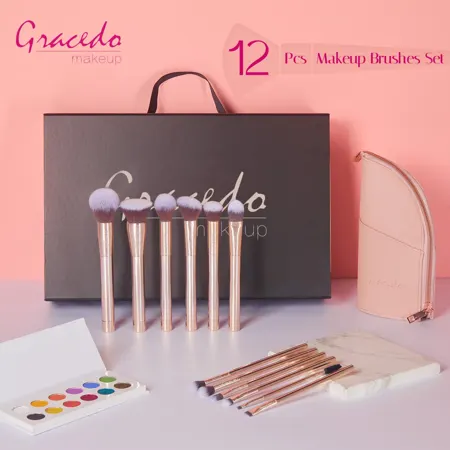
Brush Supplier Selection: Compare Answers Instead of Superlatives
Create a short, evidence-based supplier comparison that stays focused on the products you intend to buy.
Read the storyExplore ideas, product knowledge and practical beauty inspiration.
Create a short, evidence-based supplier comparison that stays focused on the products you intend to buy.
Read the story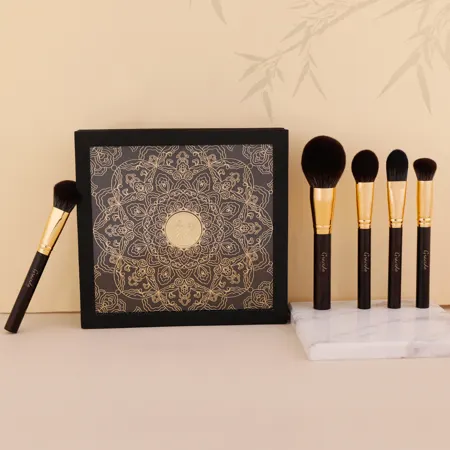
A custom brush can go through several material, shape and finish options. Clear revision records help prevent an earlier sample from becoming the accidental production reference.
Read the story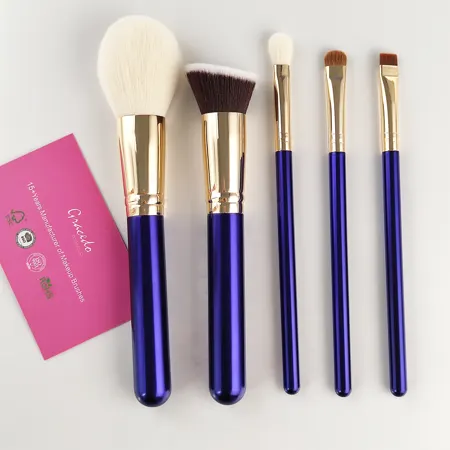
Bring a custom brush concept to market with clear priorities, sample versions and coordinated artwork decisions.
Read the story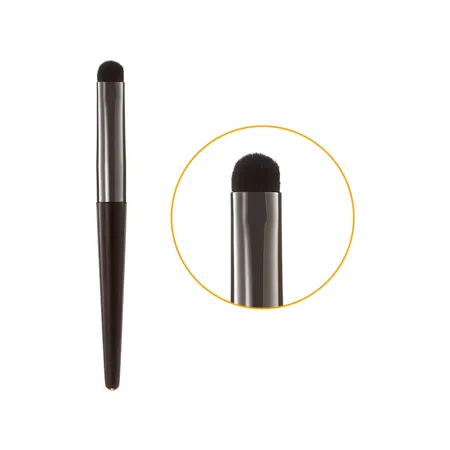
Break down lip brush proposals by head, handle, protective format and packaging before comparing costs.
Read the story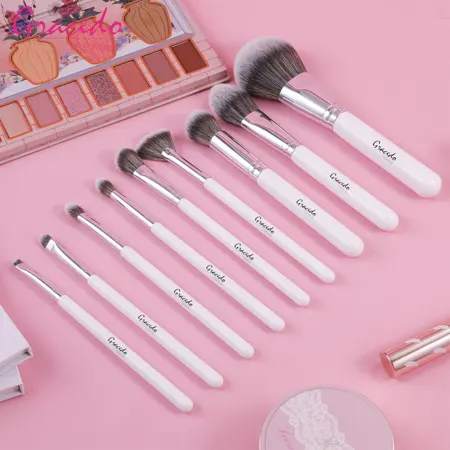
Private labeling is most manageable when the brush specification and brand presentation are reviewed as connected but distinct parts of the project.
Read the story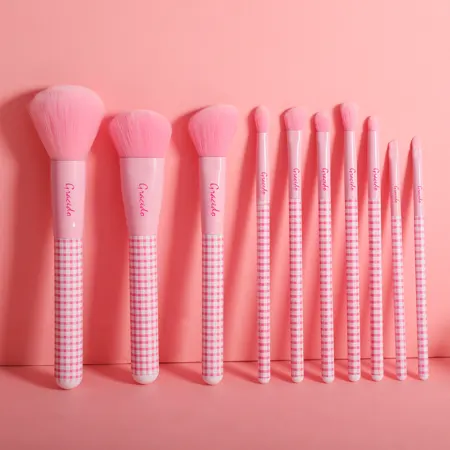
A broad eye brush range can offer useful choice, but a set should be selected from evaluated tools rather than approved from a collection photograph.
Read the story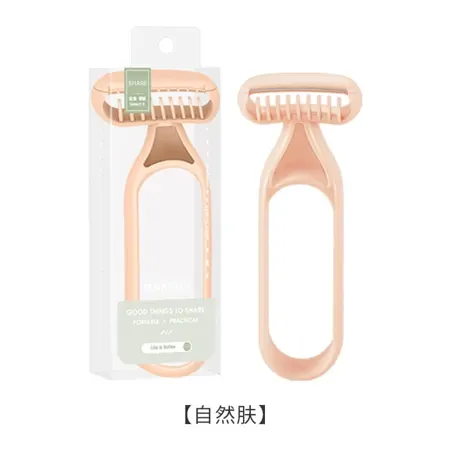
Select brush fibers through exact material information and relevant sample comparisons rather than a universal ranking.
Read the story
Translate craftsmanship language into sample details that your design and purchasing teams can evaluate.
Read the story
Build an eye brush range with clear head references, useful comparisons and understandable customer guidance.
Read the story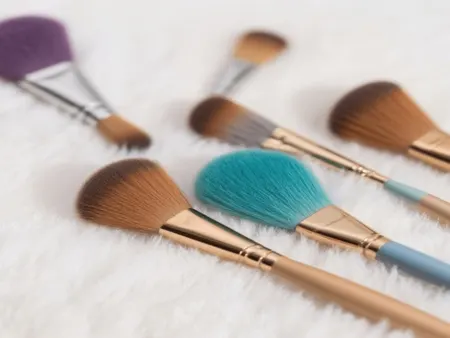
Color customization needs more than a shade name. Fiber composition, lighting and the placement of color all affect how a beauty tool looks in the final pack.
Read the story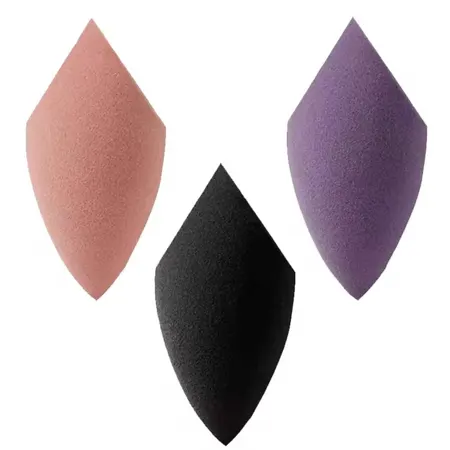
Review finish descriptions, sample details and care requirements before choosing a coated tweezer range.
Read the story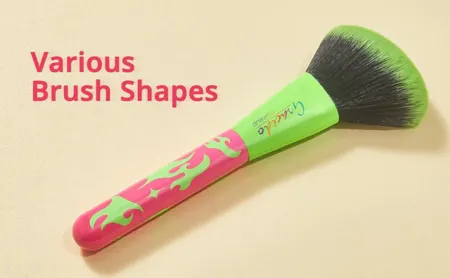
A useful nail brush range gives technicians distinct working options. Choose shapes for the techniques you intend to support before selecting handle colors.
Read the story