Private Label Makeup Brushes: Separate Product and Brand Decisions
Private labeling is most manageable when the brush specification and brand presentation are reviewed as connected but distinct parts of the project.
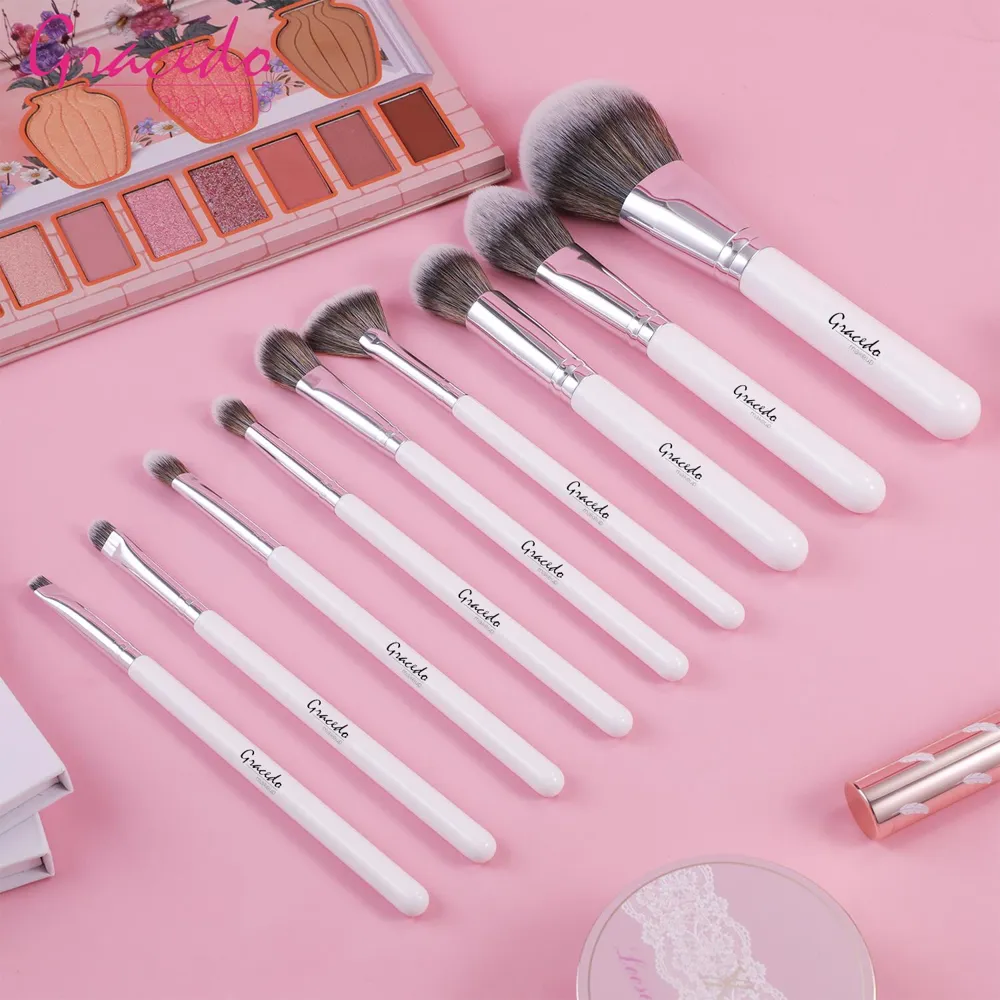
Private labeling is most manageable when the brush specification and brand presentation are reviewed as connected but distinct parts of the project.
Freeze the working tool first
Decide on the head shape, fiber declaration, dimensions, handle and ferrule before judging logo alternatives. If the tool changes after artwork approval, the print area or packaging fit may change too.
Keep a component list that applies to the particular model. A manufacturer’s broad catalog description is not a substitute for the exact construction you are ordering.
Cost the customization layers
Ask for individual costs and minimum quantities for color changes, decoration, inserts and retail cartons. A standard brush with a custom logo may have a different production path from a new head shape or molded handle.
Compare those options against the launch objective. A modest customization can still create a consistent range when the colors, identification and packaging work together.
Control repeat orders
Retain artwork versions, material references and a physical approval sample. Agree on how the supplier will notify you before changing a component or subcontracted finish. When replenishing, reference the approved version explicitly rather than asking for the same item and assuming everyone has retained the same record.
Before approving the order
- Approve tool construction before decoration.
- Separate setup charges from unit prices.
- Keep a revision record for replenishment.
Keep reading
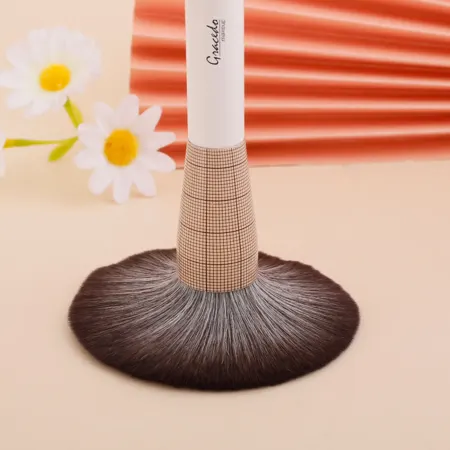
Foundation Brush Ranges: Connect the Tool to the Customer Routine
Choose foundation brush variants through application roles, understandable instructions and carefully controlled changes.
Read the story
Brush Sourcing at Trade Fairs: Separate Inspiration from Commitments
A practical method for comparing exhibition samples and turning fair conversations into written product decisions.
Read the story
Beauty Exhibitions and Local Markets: Ask Questions Before Assuming Demand
Use regional trade-show inspiration to develop a research brief rather than repeat unsupported market predictions.
Read the story
Join the conversation
Share your thoughts below. Comments appear after review.