Brand-Led Brush Development: Keep the Specification in Focus
Bring a custom brush concept to market with clear priorities, sample versions and coordinated artwork decisions.
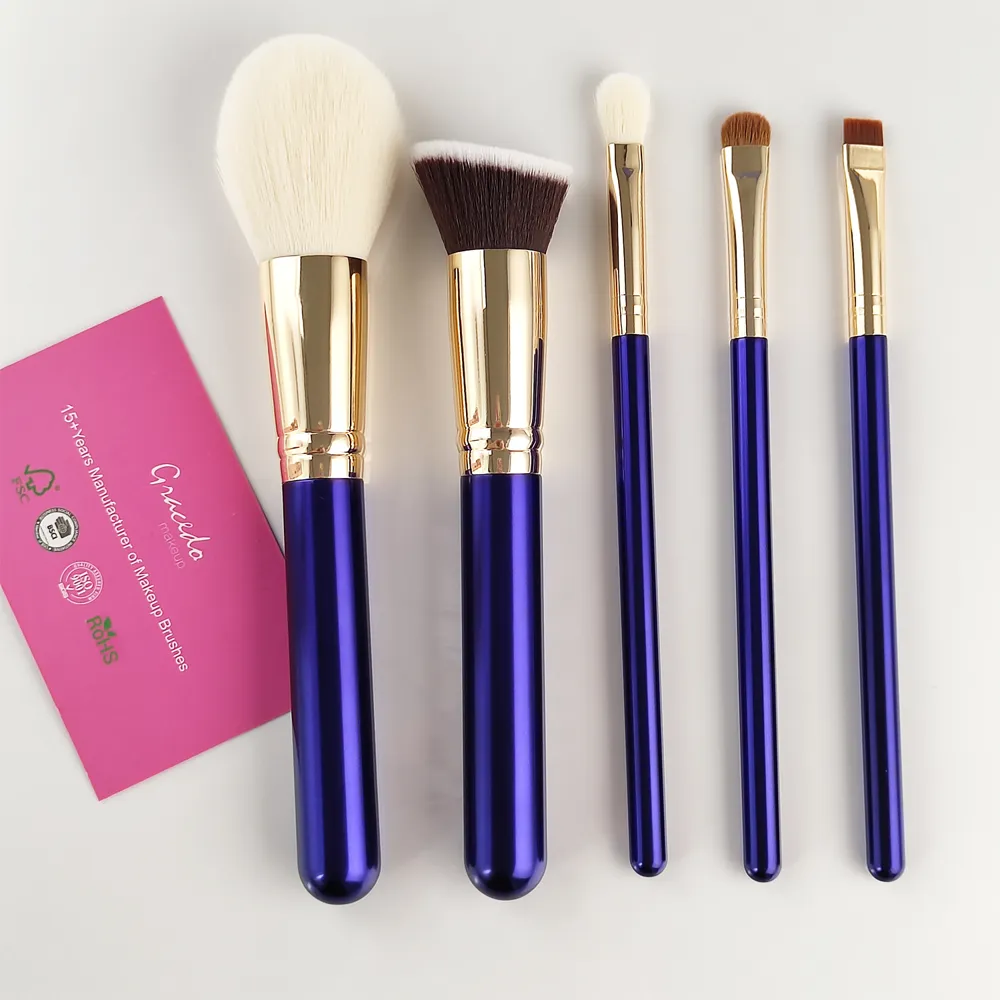
Choose the signature feature
A custom collection benefits from a recognizable idea, but every component does not have to be unique. Decide whether the distinguishing feature is a handle silhouette, a coordinated color system or a particular selection of heads. Keep the intended customer and product roles visible in the brief. Otherwise a project can accumulate decorative changes without becoming easier to understand or use.
Create a shared approval record
Ask the supplier to identify the dimensions, materials and finish represented by each sample. Photograph the item alongside its reference and record feedback from both the commercial and product teams. Keep disagreements specific: a logo may need adjustment even when the head is approved. Separate those decisions so revisions do not reopen every part of the project unnecessarily.
Plan the product beyond its launch image
Consider how staff will identify replacement stock, how a customer will understand the care instructions and how the set will fit its packaging. Confirm whether individual pieces will be available separately and which artwork files belong to each version. A coherent product record makes it easier to reorder a successful design without depending on an old presentation or an incomplete email trail.
Buyer checklist
- Name the collection’s key distinguishing feature.
- Separate head approval from artwork approval.
- Plan identification for future repeat orders.
Keep reading
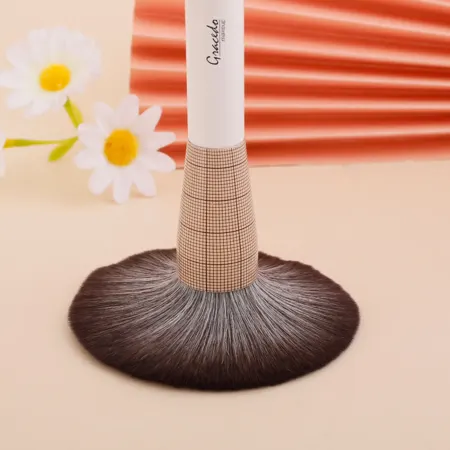
Foundation Brush Ranges: Connect the Tool to the Customer Routine
Choose foundation brush variants through application roles, understandable instructions and carefully controlled changes.
Read the story
Brush Sourcing at Trade Fairs: Separate Inspiration from Commitments
A practical method for comparing exhibition samples and turning fair conversations into written product decisions.
Read the story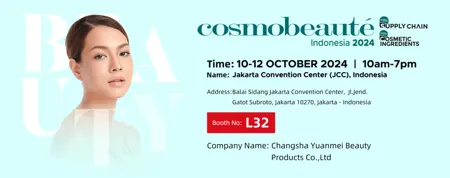
Beauty Exhibitions and Local Markets: Ask Questions Before Assuming Demand
Use regional trade-show inspiration to develop a research brief rather than repeat unsupported market predictions.
Read the story
Join the conversation
Share your thoughts below. Comments appear after review.