Custom Brush Craftsmanship: Ask What Changes in Your Sample
Translate craftsmanship language into sample details that your design and purchasing teams can evaluate.
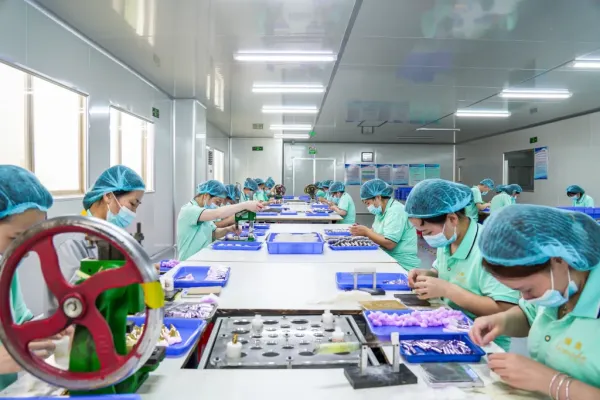
Make the proposed difference visible
When a supplier describes a custom brush as finely crafted, ask which details distinguish it from the starting model. Request photographs and dimensions for the head, handle and connection between them. Keep the explanation tied to one sample. A long customer list or broad account of manufacturing experience does not identify what your team is being asked to approve.
Create an inspection conversation
Arrange sample feedback around specific observations: head profile, decoration placement, alignment and handling. Ask the supplier how these details are recorded for production. If the response identifies a possible change, request a revised sample reference rather than allowing the discussion to remain informal. This gives both teams a shared vocabulary without pretending that every aspect can be reduced to a single quality score.
Keep the design history useful
Save the original brief, revision notes and final approved item together. Explain which features are essential to the product identity and which permit a documented alternative. If a later quotation is based on a different construction, compare the complete proposal again. Craftsmanship becomes meaningful to a buyer when it can be connected to an identifiable item and a manageable repeat-order process.
Buyer checklist
- Identify the change from the starting model.
- Record observations in specific product terms.
- Retain the approved sample and revision history.
Keep reading
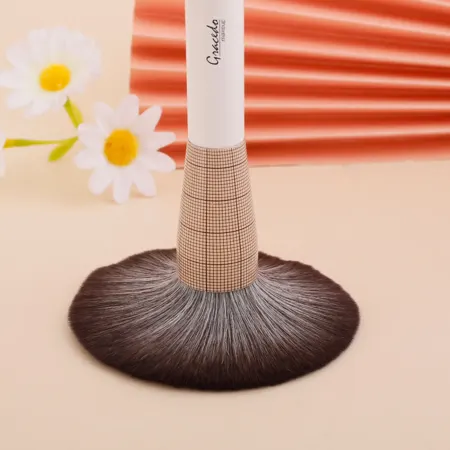
Foundation Brush Ranges: Connect the Tool to the Customer Routine
Choose foundation brush variants through application roles, understandable instructions and carefully controlled changes.
Read the story
Brush Sourcing at Trade Fairs: Separate Inspiration from Commitments
A practical method for comparing exhibition samples and turning fair conversations into written product decisions.
Read the story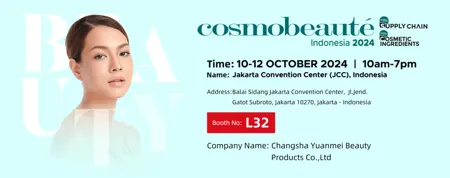
Beauty Exhibitions and Local Markets: Ask Questions Before Assuming Demand
Use regional trade-show inspiration to develop a research brief rather than repeat unsupported market predictions.
Read the story
Join the conversation
Share your thoughts below. Comments appear after review.