
Custom Brush Set Refreshes: Preserve Familiar Products Deliberately
Plan an assortment refresh by separating appearance updates from changes to the working tools.
Read the storyExplore ideas, product knowledge and practical beauty inspiration.
Plan an assortment refresh by separating appearance updates from changes to the working tools.
Read the story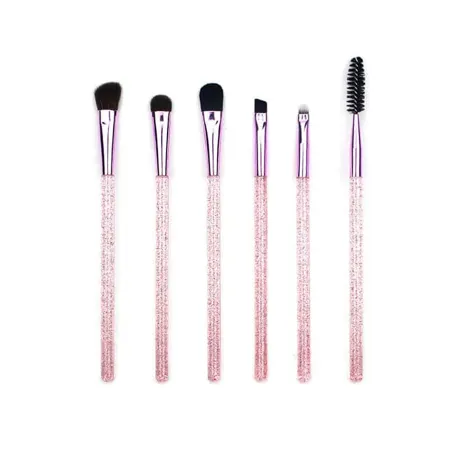
Glitter tools should be considered with the specific cosmetic formula and its intended-use guidance. Tool materials alone do not prove safe use or eliminate fallout.
Read the story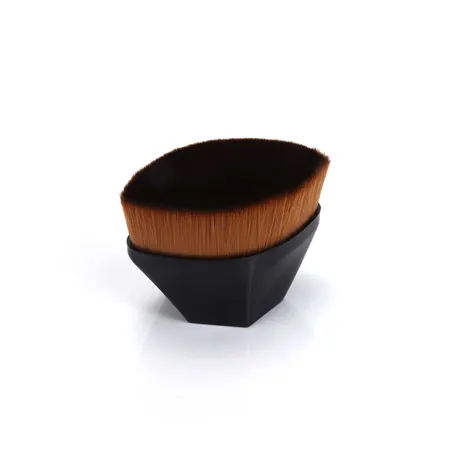
Review routine handling, care instructions and special product claims as distinct parts of the supplier file.
Read the story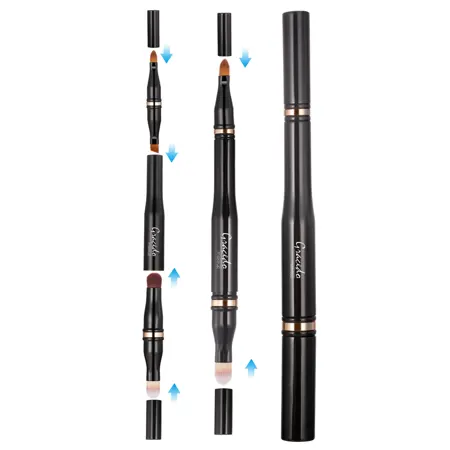
Brush size, head shape, materials and branding can all be customized. Managing those changes in stages helps the buyer understand what each revision achieves.
Read the story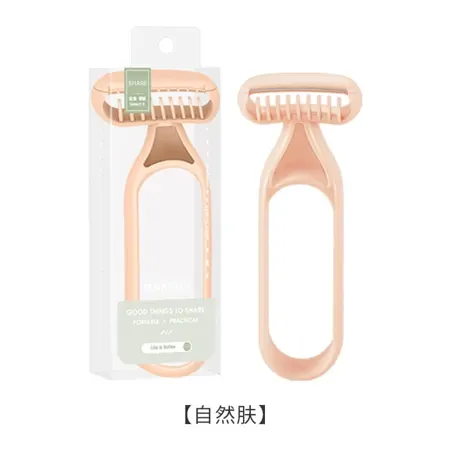
Compare professional and everyday brush proposals through intended use, documentation and complete sample details.
Read the story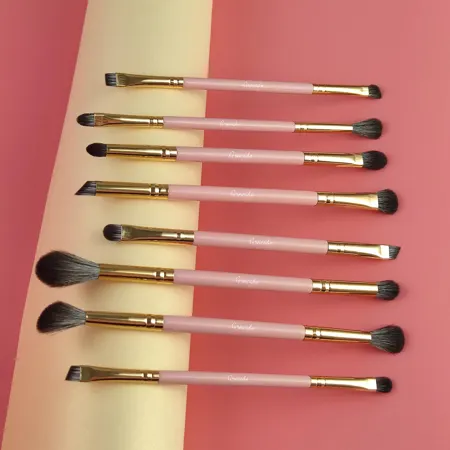
Good technical support should help a buyer resolve product decisions. Clear questions about material, shape and use produce more useful answers than a request for the best sponge.
Read the storyA polished finish can hide poorly matched tweezer tips. Evaluate the contact surface and closing action before judging the color or packaging.
Read the story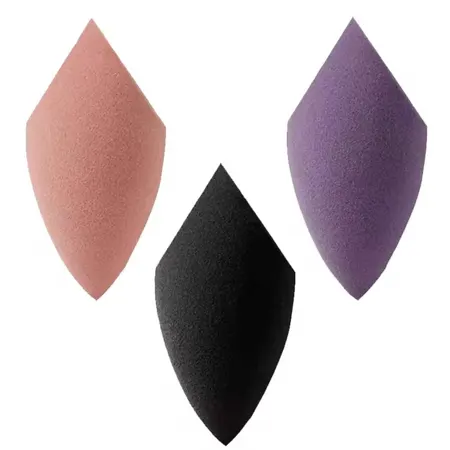
Build a mixed-tool set with clear roles, separate specifications and coordinated care information.
Read the storySeparate silicone material descriptions, cleaning guidance and antimicrobial claims during supplier review.
Read the story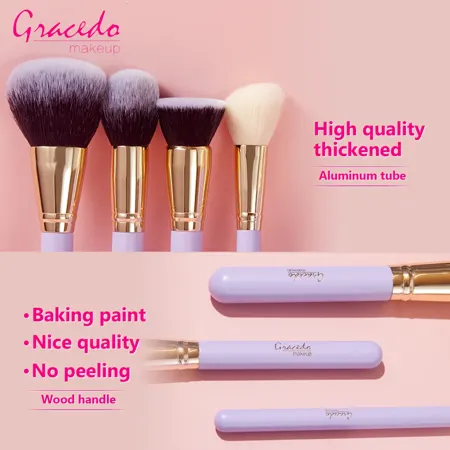
Make a custom brush project easier to evaluate through dimensions, model identity and specific feedback.
Read the story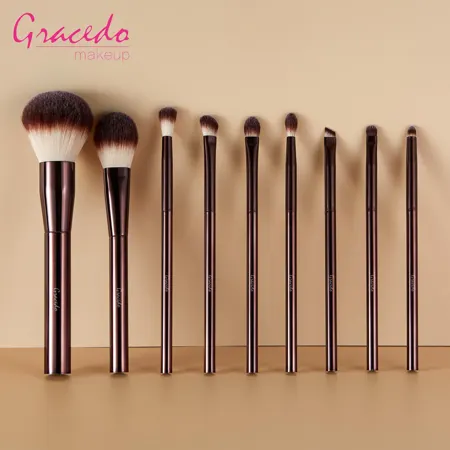
A new material or process should solve a defined product problem. Buyers need a comparison and an approval plan before adding an innovation claim to a brush range.
Read the story
Help suppliers propose relevant products by defining roles, constraints and the information needed for comparison.
Read the story