Custom Brush Development: Decide Which Features Need a New Sample
Brush size, head shape, materials and branding can all be customized. Managing those changes in stages helps the buyer understand what each revision achieves.
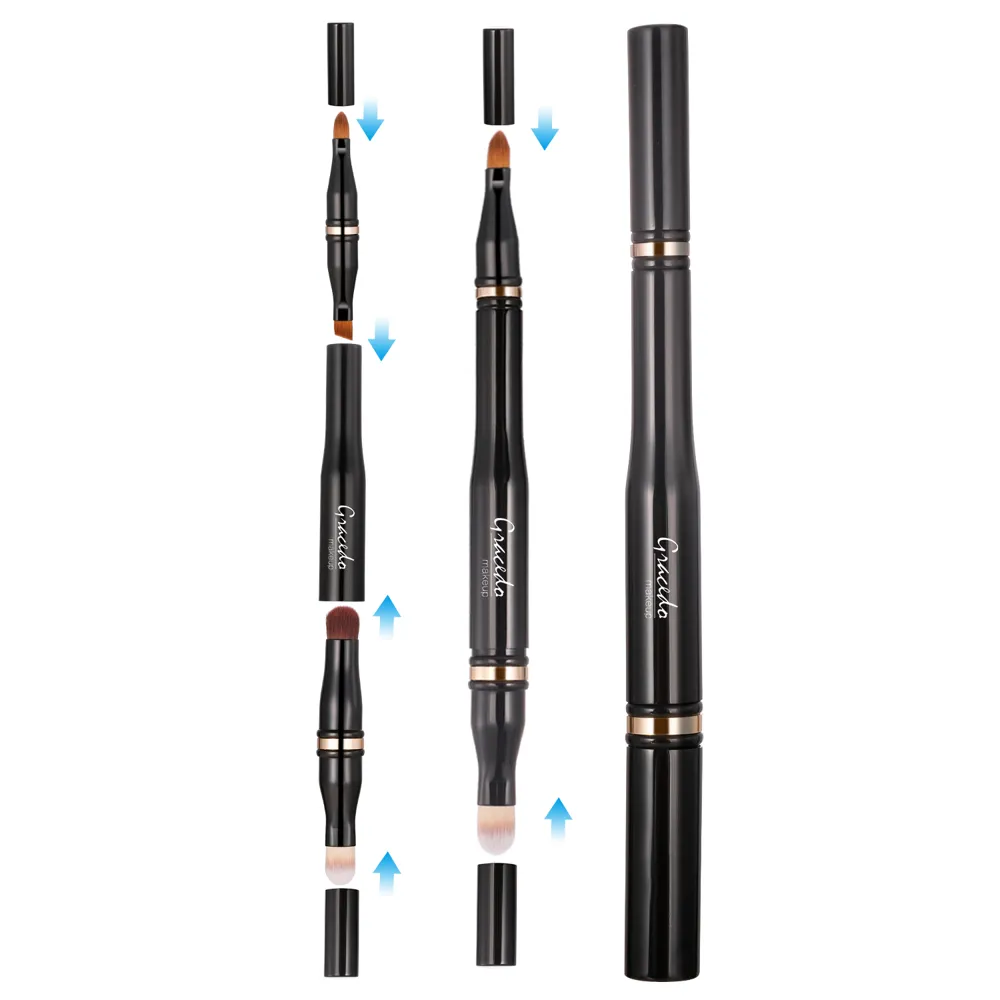
Brush size, head shape, materials and branding can all be customized. Managing those changes in stages helps the buyer understand what each revision achieves.
Separate working and visual changes
Changes to head geometry, fiber or handle proportions can alter handling. Color, decoration and packaging changes mainly affect presentation, though they may still require compatibility checks.
List the proposed revisions and their purpose. Avoid approving several changes together if the team will later need to know which one improved the sample.
Ask about dependencies
A new ferrule or handle design can affect the head connection and available logo area. A longer brush can require a different case or insert.
Request the supplier’s view of these dependencies before finalizing artwork. Confirm which revisions use existing components and which need new tooling, a separate minimum or additional sampling.
Approve the resulting product, not the idea
Review a complete physical sample with the agreed materials and finish. Record dimensions, artwork version and packaging layout in one approval package. Keep a change log for later orders so that a supplier can reproduce the final design without reconstructing the project from old messages or partially superseded drawings.
Before approving the order
- Give each change a defined purpose.
- Map tooling and packaging dependencies.
- Approve a complete sample under one revision.
Keep reading
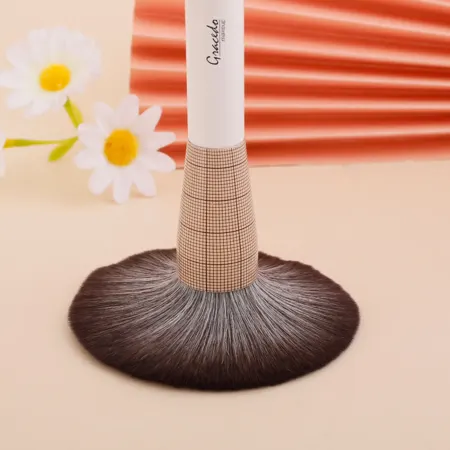
Foundation Brush Ranges: Connect the Tool to the Customer Routine
Choose foundation brush variants through application roles, understandable instructions and carefully controlled changes.
Read the story
Brush Sourcing at Trade Fairs: Separate Inspiration from Commitments
A practical method for comparing exhibition samples and turning fair conversations into written product decisions.
Read the story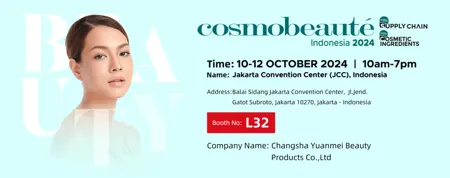
Beauty Exhibitions and Local Markets: Ask Questions Before Assuming Demand
Use regional trade-show inspiration to develop a research brief rather than repeat unsupported market predictions.
Read the story
Join the conversation
Share your thoughts below. Comments appear after review.