Tweezer Tip Alignment: A Practical Inspection Plan
A polished finish can hide poorly matched tweezer tips. Evaluate the contact surface and closing action before judging the color or packaging.
A polished finish can hide poorly matched tweezer tips. Evaluate the contact surface and closing action before judging the color or packaging.
Start at the working edge
Place the tips against a plain, brightly lit background and close the arms gently. Look for uneven contact, a visible gap or one edge meeting before the other. Repeat from more than one viewing angle; a photograph from above can conceal a problem visible from the side.
Record the tip style and intended task alongside the result. A broad slant and a pointed tip should not be judged against an identical drawing.
Separate shape from force
A well-shaped tool may still twist when squeezed. Evaluate whether the contact remains stable under ordinary hand pressure, then release and repeat. Specify how force will be measured if consistency across a wholesale lot matters; subjective descriptions such as firm are difficult to reproduce.
Machining and hand finishing can both contribute to alignment. Ask how the finished tool is checked rather than accepting a process name as proof of accuracy.
Protect the approved geometry
Tip caps, fitted trays and inserts should stop the working ends from striking the carton or adjacent tools. Inspect packed samples after transport as well as loose samples before shipment. A protective component must fit without pushing the arms sideways.
Before approving the order
- Keep an approved sample and tip drawing.
- Check contact from front and side views.
- Confirm inspection after the final coating and packing stages.
Keep reading
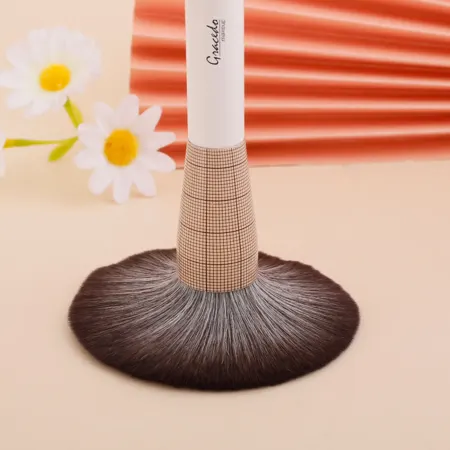
Foundation Brush Ranges: Connect the Tool to the Customer Routine
Choose foundation brush variants through application roles, understandable instructions and carefully controlled changes.
Read the story
Brush Sourcing at Trade Fairs: Separate Inspiration from Commitments
A practical method for comparing exhibition samples and turning fair conversations into written product decisions.
Read the story
Beauty Exhibitions and Local Markets: Ask Questions Before Assuming Demand
Use regional trade-show inspiration to develop a research brief rather than repeat unsupported market predictions.
Read the story
Join the conversation
Share your thoughts below. Comments appear after review.