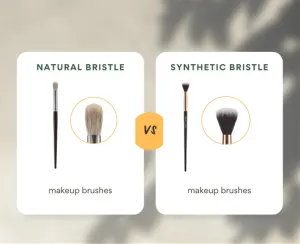
Brushes and Sensitive-Skin Positioning: Keep Claims Carefully Scoped
Choose clear material and care information without treating softness as proof of skin suitability.
Read the storyExplore ideas, product knowledge and practical beauty inspiration.
Choose clear material and care information without treating softness as proof of skin suitability.
Read the story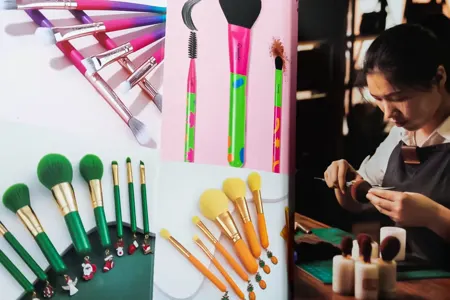
Narrow supplier candidates through relevant product questions, comparable responses and a manageable sample stage.
Read the story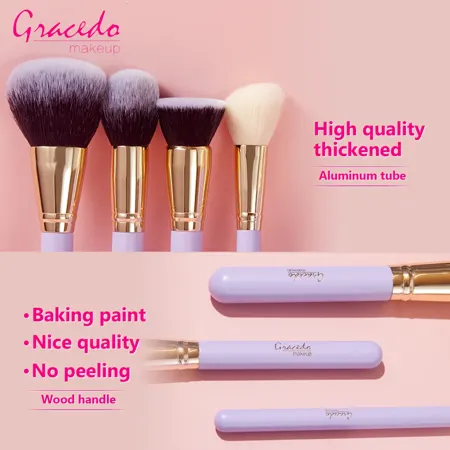
A compact brush can be customized, but reducing its size changes more than its appearance. The tool and travel pack should be evaluated as one product.
Read the story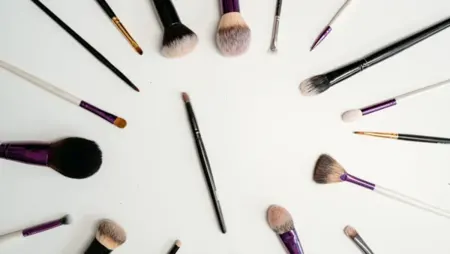
Select a concealer brush through head dimensions, handling and the formulas it is intended to accompany.
Read the story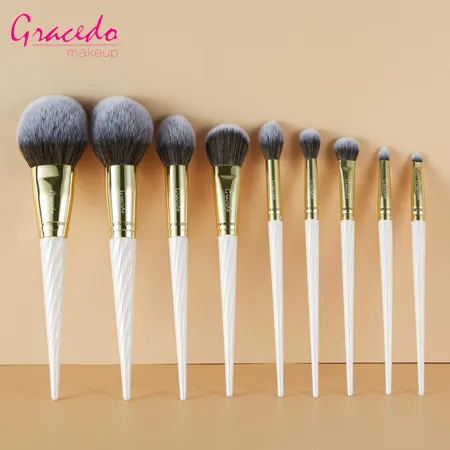
A bespoke brush set needs one coherent approval package. Clear handoff documents help the supplier turn a design idea into a repeatable assortment.
Read the story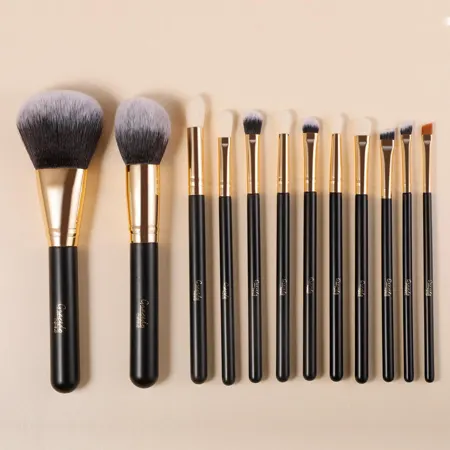
Create a practical supplier record that connects samples, specifications, quotations and future changes.
Read the story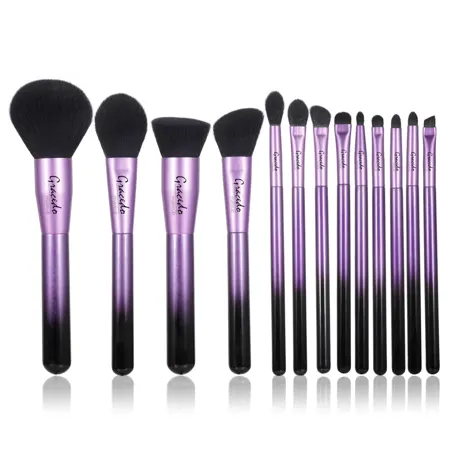
Review set composition, packaging and replenishment options on a consistent basis before comparing wholesale offers.
Read the story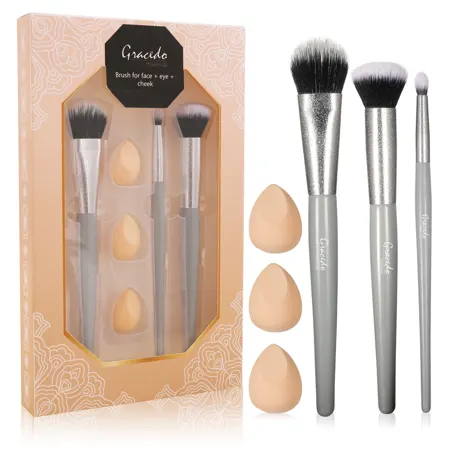
A sponge description can contain material and skin-related promises that sound interchangeable. Buyers should check each proposed statement separately.
Read the story
Assess new set components through overlap, layout changes and the information existing customers will need.
Read the story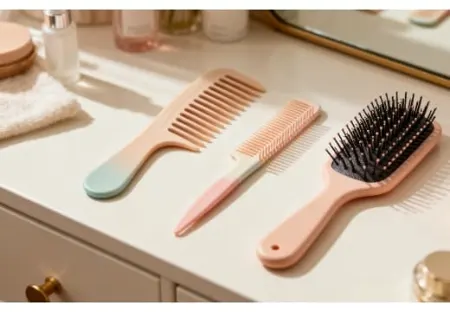
A custom comb should be defined by its working geometry and supported routine. Branding belongs alongside a clear description of how the tool is intended to be used.
Read the story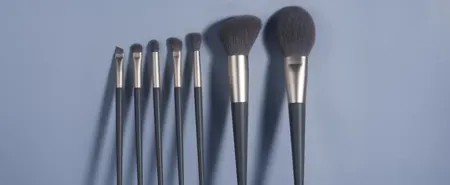
Create useful brush feedback by separating grip, balance, head access and product identification.
Read the story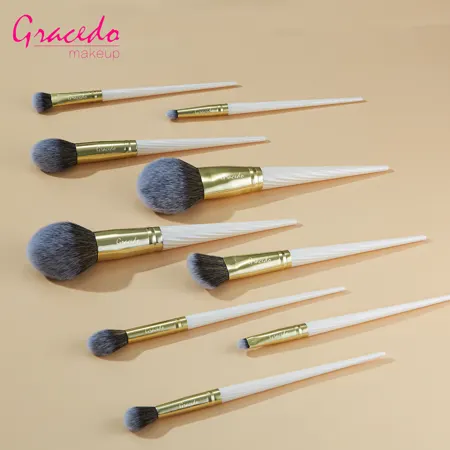
Build a sample record that keeps shape, materials, care and packaging differences visible.
Read the story