Cosmetic Brush Usability: Capture the Small Details in Sample Review
Create useful brush feedback by separating grip, balance, head access and product identification.
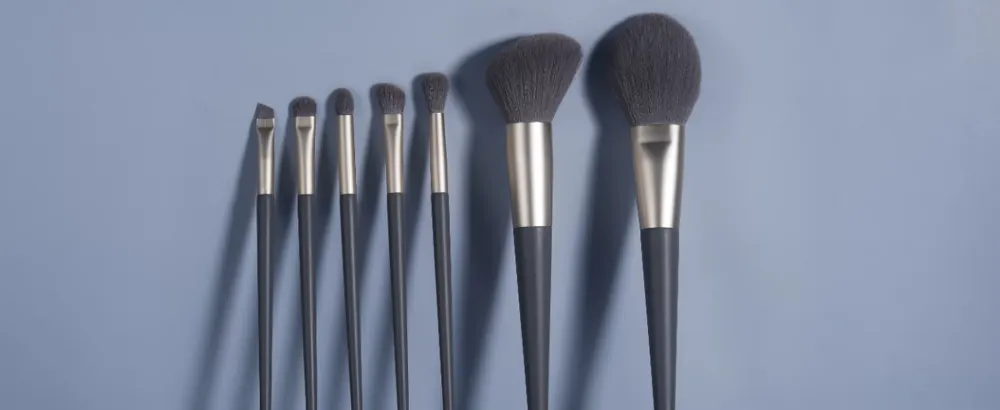
Break comfort into observations
A sample marked comfortable does not tell a supplier what to preserve in a revision. Ask evaluators to describe the grip, weight distribution and ease of orienting the head for the intended task. Keep comments attached to the model and version. Different users may prefer different proportions, so retain their individual observations rather than converting every disagreement into a single average score.
Review the whole application system
Use the intended cosmetics and relevant instructions during evaluation. Consider how the head, handle and storage format work together. A short handle may fit a travel case while changing how the tool is held; that trade-off deserves a clear decision. Ask suppliers to identify proposed material or dimensional changes instead of presenting them as equivalent because the overall appearance remains similar.
Preserve what the team selected
Write a concise approval note describing the features the buying team wants maintained. Keep photographs and the unused reference sample with the specification. If branding or packaging is revised, check whether any functional detail has changed at the same time. A useful usability record helps colleagues explain the product choice and gives future sample rounds a clear starting point.
Buyer checklist
- Describe comfort through specific observations.
- Review the tool with its intended routine.
- Record the features that must be preserved.
Keep reading
Foundation Brush Ranges: Connect the Tool to the Customer Routine
Choose foundation brush variants through application roles, understandable instructions and carefully controlled changes.
Read the story
Brush Sourcing at Trade Fairs: Separate Inspiration from Commitments
A practical method for comparing exhibition samples and turning fair conversations into written product decisions.
Read the story
Beauty Exhibitions and Local Markets: Ask Questions Before Assuming Demand
Use regional trade-show inspiration to develop a research brief rather than repeat unsupported market predictions.
Read the story
Join the conversation
Share your thoughts below. Comments appear after review.