Wholesale Brush Sourcing: Build a Decision You Can Explain
A clear purchasing framework for comparing samples, supplier responses and the complete proposed order.
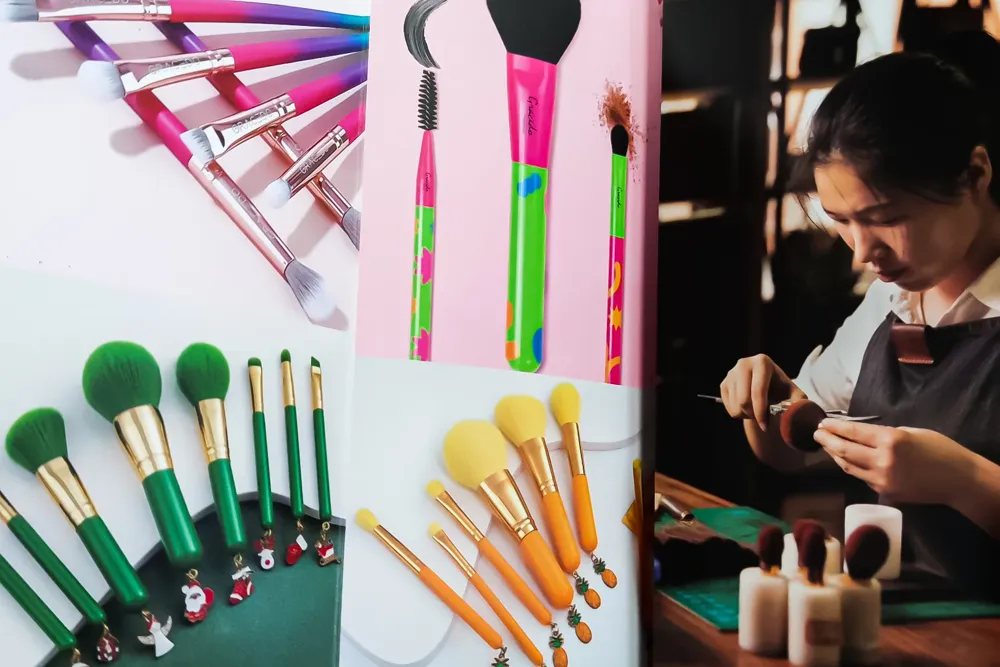
Set the decision criteria first
Before collecting quotations, identify what the brush range must accomplish for your customers and your business. Define the application roles, retail formats and practical constraints. Decide which questions need physical samples and which can be answered with drawings or documents. A written brief makes it easier to reject unsuitable options without being distracted by a persuasive presentation or an attractive opening price.
Keep evidence attached to each model
Link photographs, material descriptions, dimensions and sample feedback to a single product reference. Mark unconfirmed information clearly. Ask suppliers to explain proposed changes before you treat revised samples as equivalent. If the team disagrees about a product, return to the intended task and the recorded observations rather than debating broad words such as premium or professional.
Review the whole order
Compare the agreed assortment, artwork, packing method and delivery assumptions together before purchasing. Clarify who answers questions at each stage and how discrepancies will be documented when stock arrives. Retain the approved reference sample and final files. A sound sourcing decision is one that another team member can understand and manage later, even if they were not part of the original supplier conversation.
Buyer checklist
- Write selection criteria before requesting quotes.
- Connect each claim to its product reference.
- Review specification and commercial terms together.
Keep reading
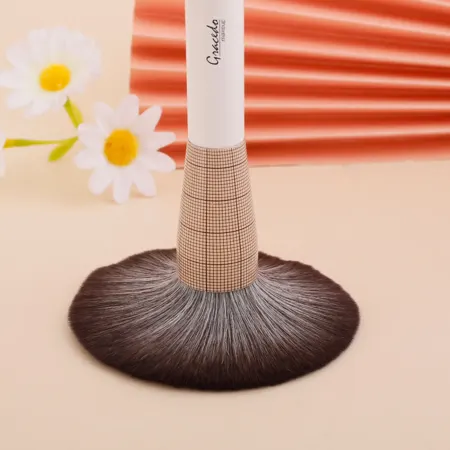
Foundation Brush Ranges: Connect the Tool to the Customer Routine
Choose foundation brush variants through application roles, understandable instructions and carefully controlled changes.
Read the story
Brush Sourcing at Trade Fairs: Separate Inspiration from Commitments
A practical method for comparing exhibition samples and turning fair conversations into written product decisions.
Read the story
Beauty Exhibitions and Local Markets: Ask Questions Before Assuming Demand
Use regional trade-show inspiration to develop a research brief rather than repeat unsupported market predictions.
Read the story
Join the conversation
Share your thoughts below. Comments appear after review.