Synthetic and Natural Brush Fibers: Compare Without Blanket Claims
Build a material comparison around exact descriptions, intended tasks and evidence for the finished brushes.
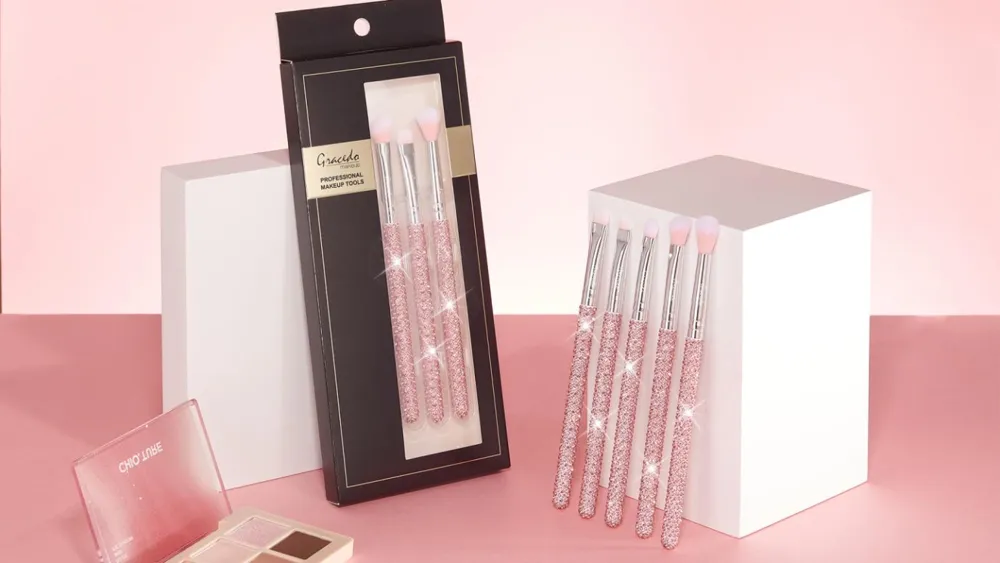
Request precise composition information
Ask suppliers to describe the fibers in each proposed head and clarify any blends or grade terminology. Keep the information linked to the exact model rather than a broad catalog category. Natural and synthetic are starting descriptions, not complete specifications. Head dimensions, shape and construction still need to be recorded before the buying team can understand what is being compared.
Evaluate the intended pairing
Use the cosmetics and application tasks relevant to your range when reviewing complete samples. Record individual handling preferences and keep the formula context visible. Avoid assuming that every natural head behaves alike or that every synthetic option shares the same cleaning requirements. If a particular advantage is proposed for public copy, ask for support relevant to the finished product rather than relying on a category stereotype.
Keep brand claims appropriately scoped
If a composition preference is central to the collection, confirm which components the statement covers and obtain relevant information. Do not turn a fiber choice into an automatic environmental or skin-suitability claim. Store approved wording with the product reference and review it when materials change. A careful comparison can support a clear selection without presenting one broad category as universally better.
Buyer checklist
- Record exact fibers and blend descriptions.
- Compare complete heads with relevant formulas.
- Separate composition from broader marketing claims.
Keep reading
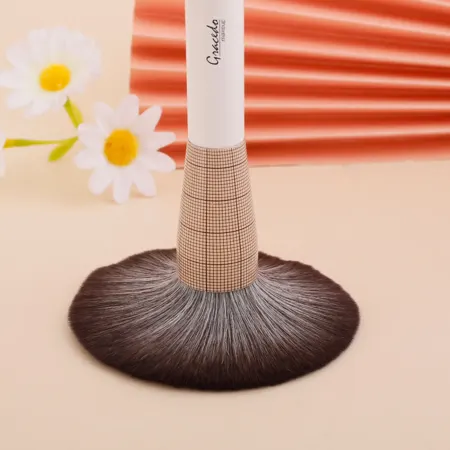
Foundation Brush Ranges: Connect the Tool to the Customer Routine
Choose foundation brush variants through application roles, understandable instructions and carefully controlled changes.
Read the story
Brush Sourcing at Trade Fairs: Separate Inspiration from Commitments
A practical method for comparing exhibition samples and turning fair conversations into written product decisions.
Read the story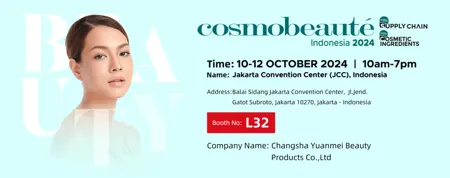
Beauty Exhibitions and Local Markets: Ask Questions Before Assuming Demand
Use regional trade-show inspiration to develop a research brief rather than repeat unsupported market predictions.
Read the story
Join the conversation
Share your thoughts below. Comments appear after review.