Scaling Wholesale Brush Orders with Clear Replenishment Records
A growing brush range needs a repeatable replenishment process. Supplier history and product breadth are useful context, but each repeat order should point to a current reference.

A growing brush range needs a repeatable replenishment process. Supplier history and product breadth are useful context, but each repeat order should point to a current reference.
Keep a living product file
Maintain the approved drawing, component declaration, artwork, packaging layout and retained sample for every model. Record changes as dated revisions. A product name alone is not enough when a range gains new colors or sizes, especially if the supplier offers several similar heads under one collection.
Confirm the current commercial terms
Request a fresh quotation for the selected quantities and variants. Check minimums, setup charges and lead-time dependencies rather than assuming the first order’s terms remain unchanged. Identify any discontinued material or packaging component early, so alternatives can be sampled and approved before the replenishment schedule becomes urgent.
Use feedback to guide controlled improvement
Track complaints and inspection findings by model and lot. Discuss a specific corrective action or design revision with the supplier when needed, and verify it before applying it across the range. Keep improved versions distinguishable from earlier stock. This supports consistent growth without rewriting a manufacturer’s capacity or history as the brand’s own capability.
Before approving the order
- Retain current item-level approval records.
- Reconfirm terms and component availability.
- Link improvements to models and lots.
Keep reading
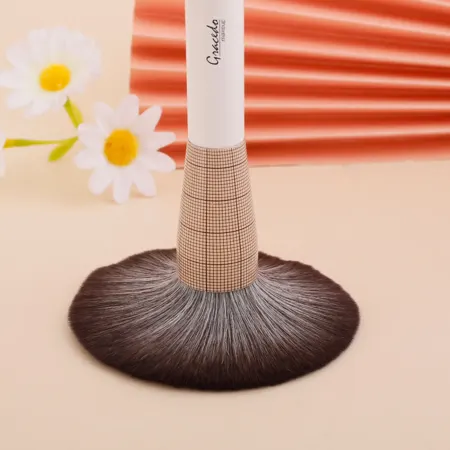
Foundation Brush Ranges: Connect the Tool to the Customer Routine
Choose foundation brush variants through application roles, understandable instructions and carefully controlled changes.
Read the story
Brush Sourcing at Trade Fairs: Separate Inspiration from Commitments
A practical method for comparing exhibition samples and turning fair conversations into written product decisions.
Read the story
Beauty Exhibitions and Local Markets: Ask Questions Before Assuming Demand
Use regional trade-show inspiration to develop a research brief rather than repeat unsupported market predictions.
Read the story
Join the conversation
Share your thoughts below. Comments appear after review.