Reading a Brush Manufacturer Profile with a Buyer’s Checklist
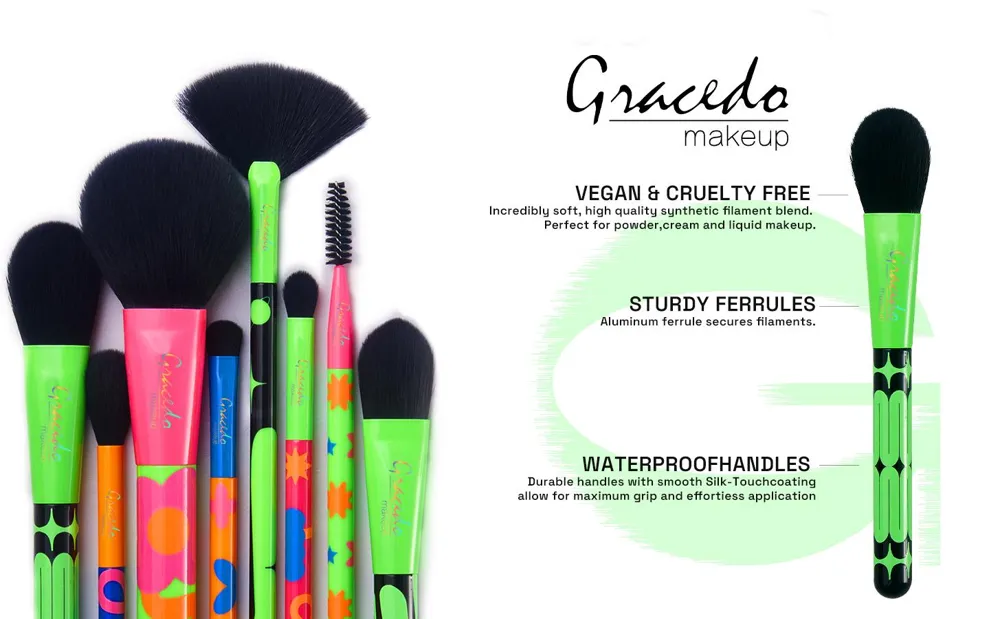
Company profiles can help form a shortlist, but their claims need to be connected to the entity and products covered by the proposed order.
Company profiles can help form a shortlist, but their claims need to be connected to the entity and products covered by the proposed order.
Turn history into a verification question
An establishment date or large facility description may indicate experience, but it does not identify who will make a particular brush. Ask which legal entity will appear on the quotation, invoice and shipping documents.
Clarify where the proposed model is assembled and whether any finishing or packing work is subcontracted. Keep the answers with the supplier record rather than assuming every catalog item follows one route.
Check the scope of supporting documents
A profile may list quality systems, social audits, forestry references or testing organizations together. Those terms describe different kinds of evidence. Request the underlying document and check its issuer, holder, scope and validity.
Do not convert a supplier’s list into retail claims for a brush unless the claim actually applies to that model and its materials.
Ask for product-level consistency
Review a sample against a written construction and appearance specification. Then ask how the same specification is controlled during production and replenishment. An impressive facility is most useful to a buyer when its processes result in traceable approvals, clear inspections and a workable response to nonconforming goods.
Before approving the order
- Verify the contracting entity.
- Review document scope rather than badge names.
- Connect the approved sample to production controls.
Keep reading
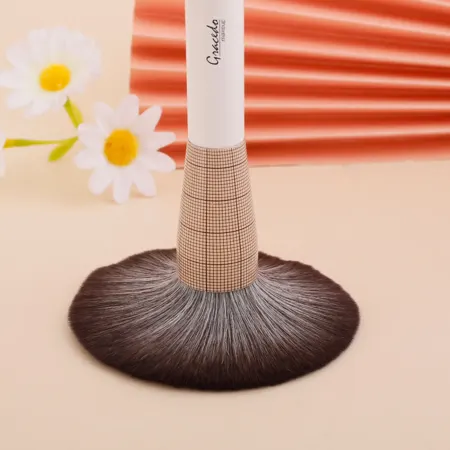
Foundation Brush Ranges: Connect the Tool to the Customer Routine
Choose foundation brush variants through application roles, understandable instructions and carefully controlled changes.
Read the story
Brush Sourcing at Trade Fairs: Separate Inspiration from Commitments
A practical method for comparing exhibition samples and turning fair conversations into written product decisions.
Read the story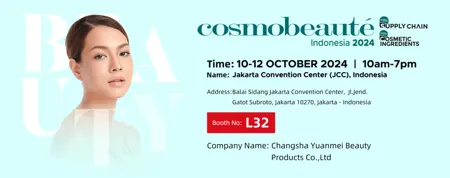
Beauty Exhibitions and Local Markets: Ask Questions Before Assuming Demand
Use regional trade-show inspiration to develop a research brief rather than repeat unsupported market predictions.
Read the story
Join the conversation
Share your thoughts below. Comments appear after review.