Private-Label Brushes: Decide What You Are Actually Customizing
Separate stock designs, branding changes and new development before requesting private-label brush quotations.
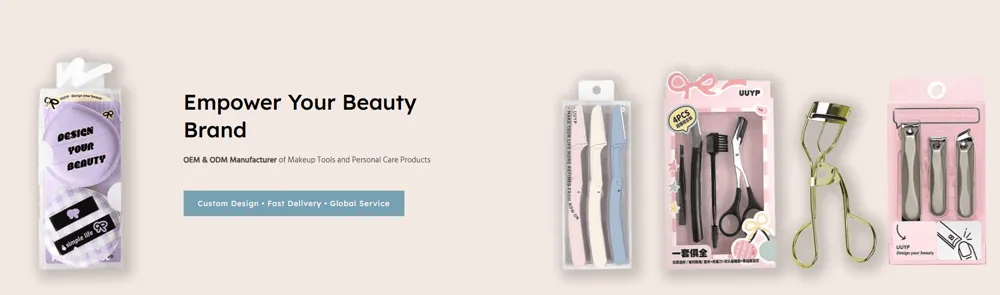
Define the starting product
Private-label projects can begin with an existing brush or involve changes to the head, handle and packaging. List which parts you intend to retain and which need development. Ask the supplier to identify the stock reference behind a proposed sample. This prevents a simple logo project from quietly expanding into a different specification with additional decisions and costs.
Set a practical approval sequence
Review the functional brush before approving decorative details. Then confirm handle color, logo artwork and retail packaging at actual size. Keep a record of the version approved at each stage. If one change affects another, such as a shorter handle reducing the print area, return to the relevant approval instead of assuming earlier artwork still fits.
Build a complete quotation brief
Include intended quantities, assortment structure, packaging format and delivery destination. Ask suppliers to separate sample charges, development fees and recurring unit costs. Clarify what must be supplied before production can be scheduled. Private label is a sourcing route, not an automatic promise of low risk or easy profit; the buyer still needs a documented product and a realistic launch plan.
Buyer checklist
- List stock and customized components.
- Approve function before decoration.
- Record all quote assumptions and exclusions.
Keep reading
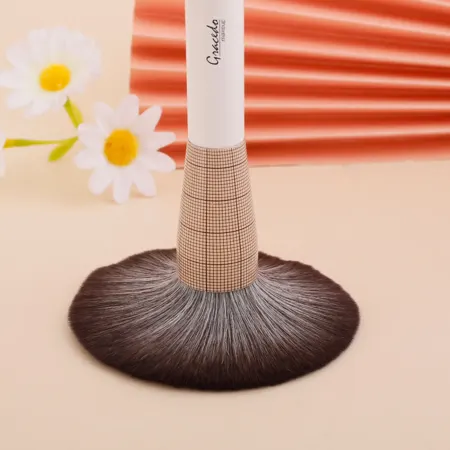
Foundation Brush Ranges: Connect the Tool to the Customer Routine
Choose foundation brush variants through application roles, understandable instructions and carefully controlled changes.
Read the story
Brush Sourcing at Trade Fairs: Separate Inspiration from Commitments
A practical method for comparing exhibition samples and turning fair conversations into written product decisions.
Read the story
Beauty Exhibitions and Local Markets: Ask Questions Before Assuming Demand
Use regional trade-show inspiration to develop a research brief rather than repeat unsupported market predictions.
Read the story
Join the conversation
Share your thoughts below. Comments appear after review.