OEM Brush Sets: Build Consistency Across the Whole Assortment
Review an OEM set as a coordinated group of working tools, not just a matching row of handles.
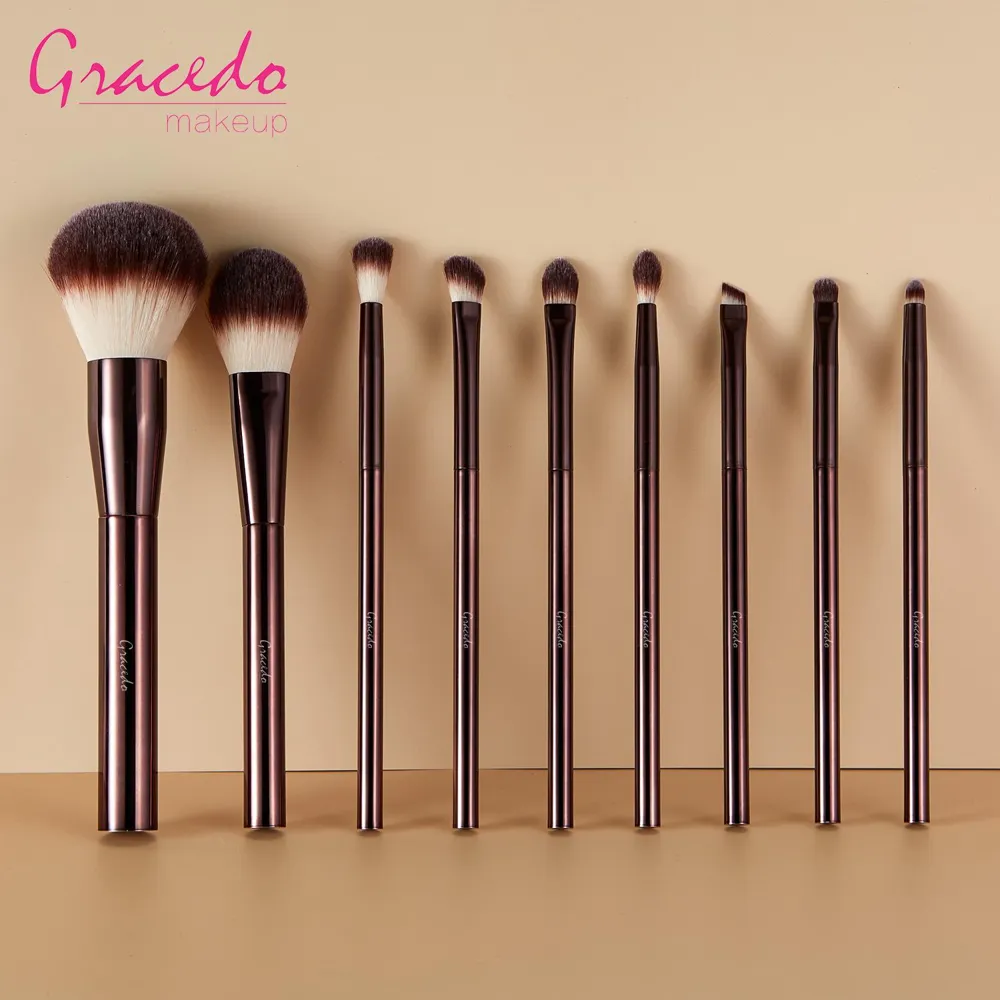
Define what belongs in the set
An OEM brush set should have a clear purpose before its appearance is finalized. List each head, intended application role and reason for inclusion. Ask which parts use existing designs and which need customization. This makes it easier to spot unnecessary duplication and prevents the piece count from becoming the main measure of value for the range.
Review every piece independently
Evaluate the complete set, but give each brush its own reference and feedback notes. A well-received powder brush should not automatically approve a less suitable detail brush. Compare dimensions, described materials and handling against the brief. Ask for care information that reflects the actual assembled products, especially if different head constructions appear within the same collection.
Check coordination without hiding variation
Lay out the set under ordinary viewing conditions and review handle color, logo position and packaging fit. Identify where a consistent design language is required and where functional differences justify different proportions. Record approved artwork and sample versions for all pieces. When replacement components are proposed later, require the relevant item to be reviewed rather than assuming it matches because the decoration looks familiar.
Buyer checklist
- Give each piece a defined role.
- Record approval brush by brush.
- Review the entire set in final packaging.
Keep reading
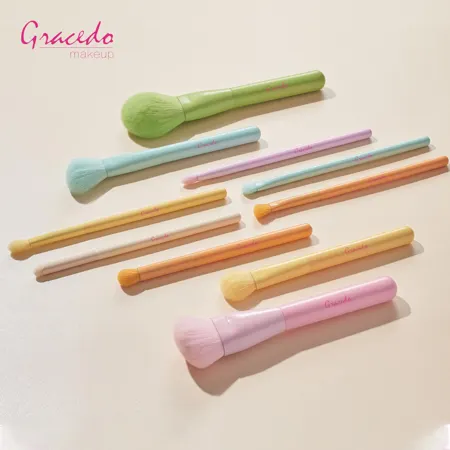
Brush Set Development: Design the Opening Experience
Plan a custom set around identification, unpacking and the customer’s first use of the tools.
Read the story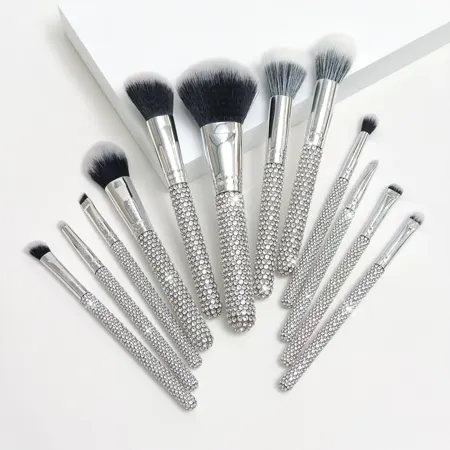
Cream and Powder Brush Sets: Review the Actual Formula Pairings
Build a mixed-formula assortment without treating broad material rules as a substitute for sample evaluation.
Read the story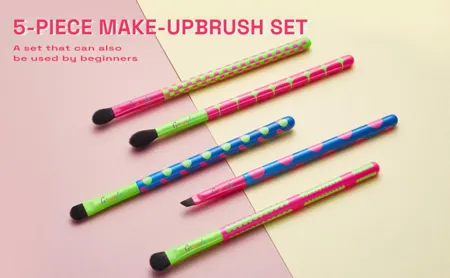
Brush Set Suppliers: Check How Product Questions Are Resolved
Evaluate a wholesale set proposal through the clarity of its component information and revision process.
Read the story
Join the conversation
Share your thoughts below. Comments appear after review.