How Brush Assembly Informs a Buyer’s Inspection Plan
A makeup brush combines a working head, ferrule and handle. Understanding those parts helps buyers decide what to inspect without turning a factory overview into a cleanliness guarantee.
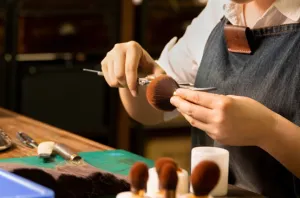
A makeup brush combines a working head, ferrule and handle. Understanding those parts helps buyers decide what to inspect without turning a factory overview into a cleanliness guarantee.
Map the component decisions
Request the fiber and handle declarations, head dimensions and ferrule finish for each model. Ask how the head is formed, attached and inspected. Some steps may use machinery and others skilled manual work; the relevant question is how the finished specification is controlled rather than whether the product is entirely handmade or automated.
Inspect the finished assembly
Check head uniformity, alignment, joint stability and surface condition. Follow the intended care routine and compare with a retained new sample where appropriate. A description of the manufacturing sequence does not replace those checks. Agree on inspection methods and sample records before the production lot is released.
Keep cleanliness wording accurate
Ask how tools are handled and packed, and obtain any relevant instructions before first use. A visibly clean brush is not automatically sterile, and a supplier’s general process description should not be converted into medical or hygiene guarantees. Approve the retail wording with the actual evidence and packing method for the finished model.
Before approving the order
- Identify components and control points.
- Inspect the actual assembled brush.
- Avoid equating clean appearance with sterility.
Keep reading
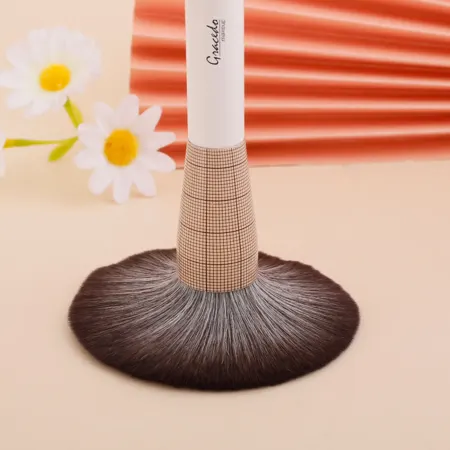
Foundation Brush Ranges: Connect the Tool to the Customer Routine
Choose foundation brush variants through application roles, understandable instructions and carefully controlled changes.
Read the story
Brush Sourcing at Trade Fairs: Separate Inspiration from Commitments
A practical method for comparing exhibition samples and turning fair conversations into written product decisions.
Read the story
Beauty Exhibitions and Local Markets: Ask Questions Before Assuming Demand
Use regional trade-show inspiration to develop a research brief rather than repeat unsupported market predictions.
Read the story
Join the conversation
Share your thoughts below. Comments appear after review.