Foundation Brushes: Compare Samples Around Your Formula Range
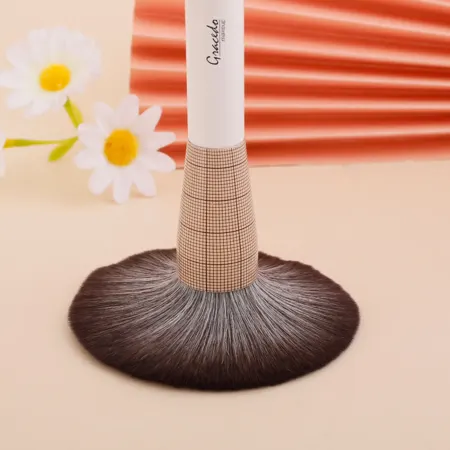
Build a foundation brush brief that connects head geometry, handle comfort and your intended cosmetics.
Define the formula pairing
A foundation brush collection should begin with the products it will accompany. List the actual liquid or cream formulas your team intends to evaluate, without assuming that one head works identically with every texture. Request head dimensions, fiber information and care guidance for each candidate. Give samples unique references so observations can be traced back to a particular design.
Use a shared evaluation routine
Ask evaluators to follow the same application brief and record the amount of formula used, preferred motion and access around smaller facial areas. Keep subjective comfort notes separate from measurable dimensions. If different users disagree, identify which task produced the difference instead of averaging everything into a vague quality score. The aim is to find a suitable tool, not to promise a universal finish.
Specify the retail experience
Consider how customers will identify the brush’s purpose in a crowded assortment. A clear product name, readable handle labeling and practical care instructions can support the launch. Confirm packaging clearances around the head and retain the approved sample. Recheck any later change to fiber, head profile or handle balance before reordering under the same product name.
Buyer checklist
- List intended foundation formulas.
- Compare samples with one evaluation brief.
- Keep a signed reference for repeat orders.
Keep reading
Foundation Brush Ranges: Connect the Tool to the Customer Routine
Choose foundation brush variants through application roles, understandable instructions and carefully controlled changes.
Read the story
Brush Sourcing at Trade Fairs: Separate Inspiration from Commitments
A practical method for comparing exhibition samples and turning fair conversations into written product decisions.
Read the story
Beauty Exhibitions and Local Markets: Ask Questions Before Assuming Demand
Use regional trade-show inspiration to develop a research brief rather than repeat unsupported market predictions.
Read the story
Join the conversation
Share your thoughts below. Comments appear after review.