Foundation Brush Customization: Decide Which Dimension Matters
Custom dimensions can make a foundation brush better suited to a task, but the project needs a clear reason for each change and a method to compare samples.
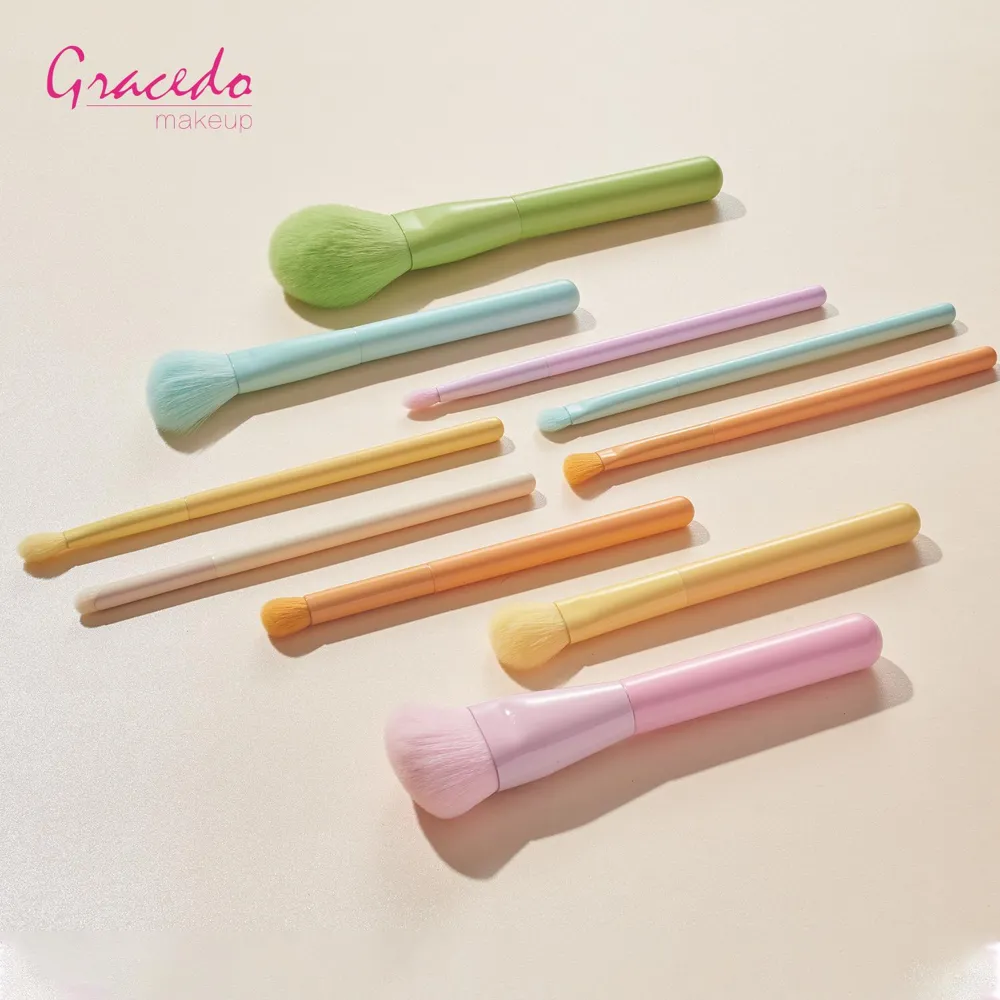
Custom dimensions can make a foundation brush better suited to a task, but the project needs a clear reason for each change and a method to compare samples.
Describe the application objective
Choose the priority, such as reaching a smaller area, broad placement or a particular grip preference. Ask the supplier to propose head and handle options around that objective. Avoid changing the entire brush because one proportion is unsuitable; a narrower head or different exposed fiber length may answer a more focused question.
Compare the material and geometry together
Request the actual fiber, ferrule and handle declarations for each option. Evaluate assembled samples using the supported formulas and a consistent routine. Record how the tool responds and returns to shape. A customized silhouette should not be accepted as proof of improved performance without comparison against the original or another defined reference.
Check consequences for the retail product
A longer handle or wider head can change logo area, insert dimensions and shipping volume. Ask for those dependencies before approving the design. Review a complete decorated and packed sample, then keep its measurements and artwork revision with the order. Future replenishment should identify the approved dimensions instead of relying on the phrase custom-sized foundation brush.
Before approving the order
- Choose a specific reason to change dimensions.
- Compare finished samples consistently.
- Recheck artwork and packaging fit.
Keep reading
Foundation Brush Ranges: Connect the Tool to the Customer Routine
Choose foundation brush variants through application roles, understandable instructions and carefully controlled changes.
Read the story
Brush Sourcing at Trade Fairs: Separate Inspiration from Commitments
A practical method for comparing exhibition samples and turning fair conversations into written product decisions.
Read the story
Beauty Exhibitions and Local Markets: Ask Questions Before Assuming Demand
Use regional trade-show inspiration to develop a research brief rather than repeat unsupported market predictions.
Read the story
Join the conversation
Share your thoughts below. Comments appear after review.