Custom Logo Brushes: Keep Artwork Approval Under Control
A simple approval process for logo placement, readable scale and changes to the underlying brush.

Prepare a usable artwork brief
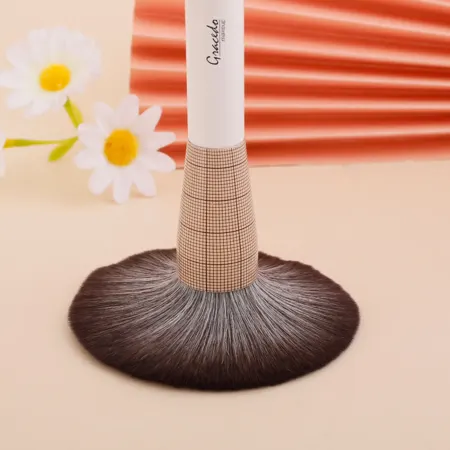
Provide the intended logo file and ask for the available decoration area on the actual handle. Record orientation, placement and color references before reviewing a proof. If the range has several handle sizes, identify each version clearly. A single large digital rendering should not be treated as approval for every surface in a mixed brush collection.
Review decoration on the physical item
Check readability at normal viewing distance and inspect the mark on the chosen finish. Ask whether the sample represents the proposed production method and note any provisional details. Review how the logo appears when the brush is packed. Keep this decision separate from approval of the working head so an attractive branded sample cannot quietly authorize a different construction.
Keep files linked to the specification
Store the approved artwork version with the brush model, handle details and sample reference. If a supplier proposes a change in material, length or finish, ask whether a new decoration proof is needed. Make clear who can authorize revisions. A disciplined artwork record reduces confusion when several departments or suppliers discuss similar products under the same brand identity.
Buyer checklist
- Identify the real print area for every handle.
- Check physical decoration at normal viewing size.
- Link artwork approval to the current brush version.
Keep reading
Foundation Brush Ranges: Connect the Tool to the Customer Routine
Choose foundation brush variants through application roles, understandable instructions and carefully controlled changes.
Read the story
Brush Sourcing at Trade Fairs: Separate Inspiration from Commitments
A practical method for comparing exhibition samples and turning fair conversations into written product decisions.
Read the story
Beauty Exhibitions and Local Markets: Ask Questions Before Assuming Demand
Use regional trade-show inspiration to develop a research brief rather than repeat unsupported market predictions.
Read the story
Join the conversation
Share your thoughts below. Comments appear after review.