Custom Brush Lines: Write a Brief That Survives Team Handoffs
Keep product, design and purchasing decisions connected as a custom brush project moves between teams.
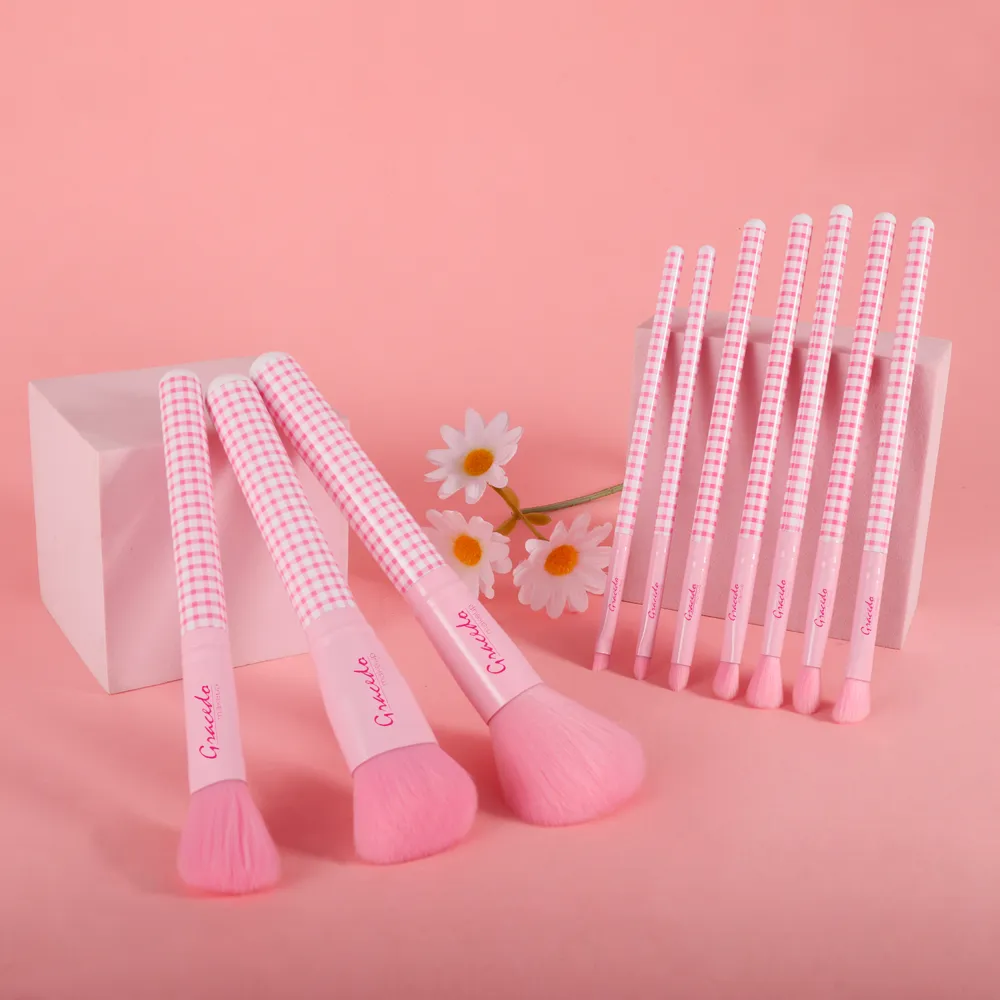
Create one current project reference
Bring the intended roles, model references and customization priorities into a concise shared document. Mark which details are approved and which are still being explored. Keep photographs and drawings attached to the right versions. A project can lose clarity when marketing discusses a visual concept while purchasing quotes an earlier construction and the supplier works from another sample.
Separate the approval streams
Record functional head decisions, handle decoration and packaging as related but distinct topics. Identify who can approve each area and consolidate feedback before sending revisions. If one change affects another, note the dependency explicitly. A shorter handle, for example, may require a fresh artwork review even when the head remains approved. Avoid treating every revised rendering as a complete product approval.
Make the final handover readable
Before ordering, match the quotation, sample and artwork to the same product version. Include care information and packing assumptions in the record. Keep superseded files separate from active documents. A useful handover allows a colleague who was not present in the development meetings to understand what is being purchased and which proposed changes must return for review.
Buyer checklist
- Maintain one current project brief.
- Identify approval owners for each area.
- Match quote, sample and artwork versions.
Keep reading
Foundation Brush Ranges: Connect the Tool to the Customer Routine
Choose foundation brush variants through application roles, understandable instructions and carefully controlled changes.
Read the story
Brush Sourcing at Trade Fairs: Separate Inspiration from Commitments
A practical method for comparing exhibition samples and turning fair conversations into written product decisions.
Read the story
Beauty Exhibitions and Local Markets: Ask Questions Before Assuming Demand
Use regional trade-show inspiration to develop a research brief rather than repeat unsupported market predictions.
Read the story
Join the conversation
Share your thoughts below. Comments appear after review.