Custom Brush Identity: Build a Design System That Survives Expansion
Coordinate head naming, handle decoration and packaging so new brush additions remain understandable.
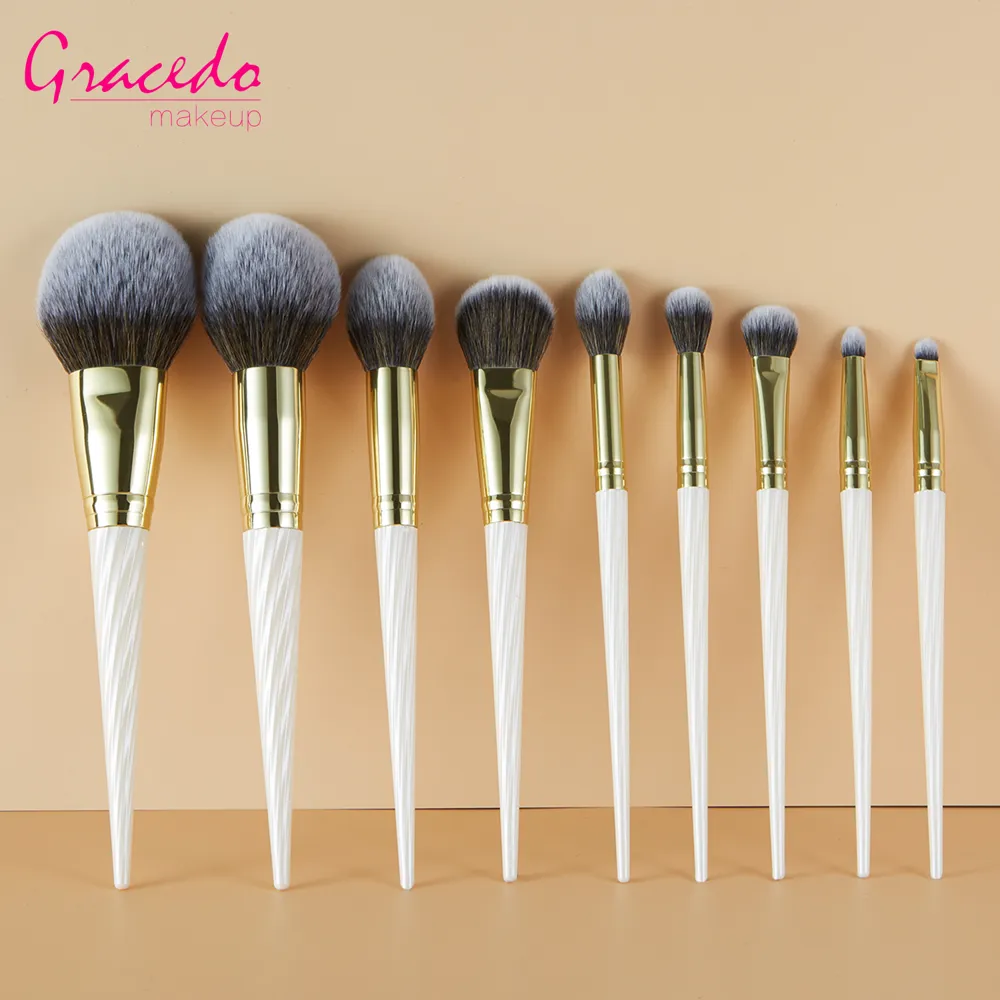
Set the naming rules early
A custom range becomes harder to manage when every new brush receives a different naming style. Decide how names will communicate application roles and how internal references will distinguish variants. Check the system with the first few samples before extending it. A clear product identity needs to work for staff receiving stock as well as customers browsing a collection.
Make decoration adaptable
Ask for actual print areas across the proposed handle sizes. Choose a logo arrangement and text hierarchy that remain readable on the smallest practical format. Review physical decorated samples rather than assuming the same artwork scales successfully everywhere. Keep head approval separate from branding approval, especially when a supplier suggests changing a handle to create more decoration space.
Plan the next addition before launch
Imagine adding one brush to the collection later. Check whether the naming, color references and packaging structure can accommodate it without renaming existing products. Retain approved files and sample references in a shared record. A coherent design system is useful when it helps the business make deliberate additions, rather than forcing every new tool into a visually consistent but functionally confusing range.
Buyer checklist
- Create consistent product naming rules.
- Check decoration across real handle sizes.
- Keep files organized for future additions.
Keep reading
Foundation Brush Ranges: Connect the Tool to the Customer Routine
Choose foundation brush variants through application roles, understandable instructions and carefully controlled changes.
Read the story
Brush Sourcing at Trade Fairs: Separate Inspiration from Commitments
A practical method for comparing exhibition samples and turning fair conversations into written product decisions.
Read the story
Beauty Exhibitions and Local Markets: Ask Questions Before Assuming Demand
Use regional trade-show inspiration to develop a research brief rather than repeat unsupported market predictions.
Read the story
Join the conversation
Share your thoughts below. Comments appear after review.