Choosing Foundation Brush Shapes for a Focused Range
Flat, curved and angled foundation heads give a buyer different design choices. Select shapes around application needs rather than treating a larger assortment as automatically better.
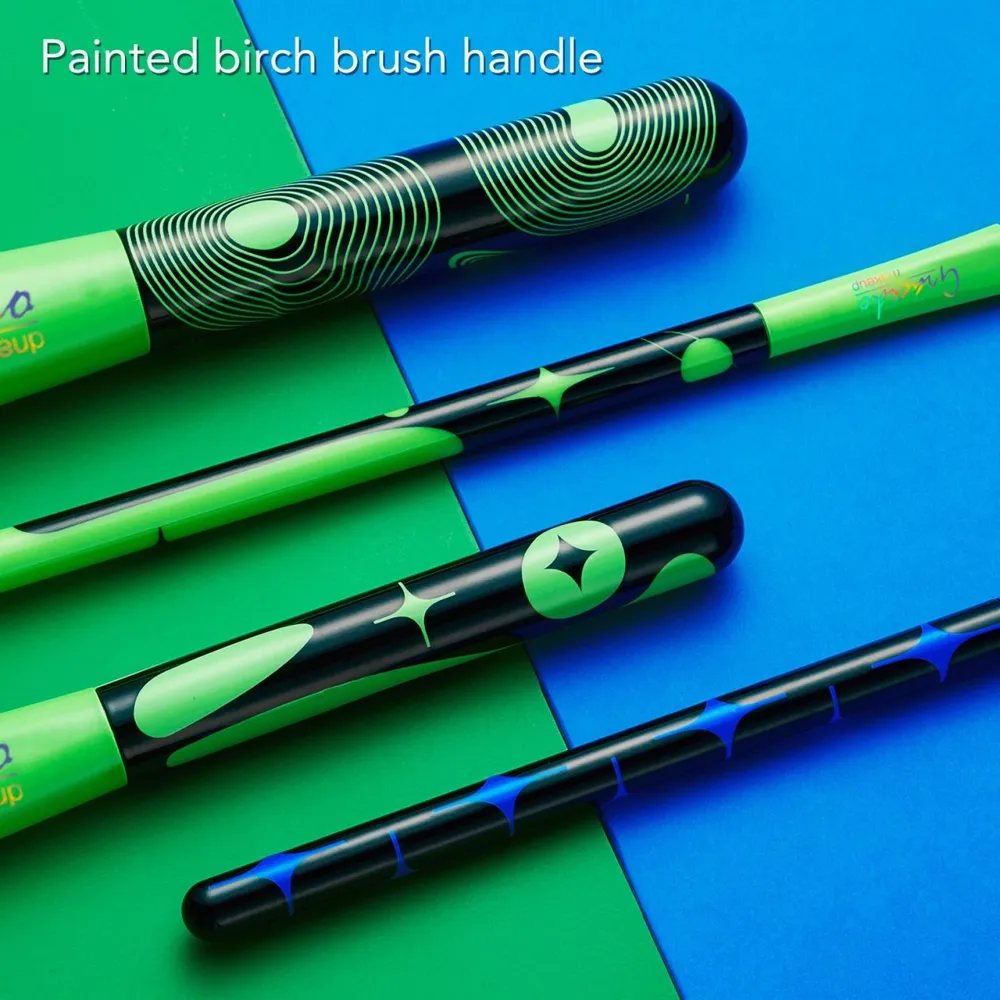
Flat, curved and angled foundation heads give a buyer different design choices. Select shapes around application needs rather than treating a larger assortment as automatically better.
Set the purpose of each shape
A flat head offers a different contact pattern from a rounded buffer or angled design. Ask the supplier which uses each model is intended to support, then compare them with representative formulas.
Record where the head makes access easier and where it feels less comfortable. Keep the same evaluation method across samples so that the comparison remains useful.
Compare construction with the shape
A head’s behavior depends on more than its outline. Exposed fiber length, density and ferrule proportions can change how it responds to pressure. Request those details alongside the material declaration.
Check head placement and joint stability before approving the visual finish. A curved silhouette should not conceal an uneven or loose assembly.
Confirm the production plan for the selected mix
Automated production can support efficiency, but a broad statement about fast delivery is not a schedule for a custom assortment. Ask for lead times and minimum quantities by shape, color and packaging version. Approve the complete set and identify how each tool is labeled so that similar-looking models are not confused during packing.
Before approving the order
- Assign a distinct task to each head.
- Compare dimensions and assembly as well as silhouette.
- Confirm lead time for the actual assortment.
Keep reading
Foundation Brush Ranges: Connect the Tool to the Customer Routine
Choose foundation brush variants through application roles, understandable instructions and carefully controlled changes.
Read the story
Brush Sourcing at Trade Fairs: Separate Inspiration from Commitments
A practical method for comparing exhibition samples and turning fair conversations into written product decisions.
Read the story
Beauty Exhibitions and Local Markets: Ask Questions Before Assuming Demand
Use regional trade-show inspiration to develop a research brief rather than repeat unsupported market predictions.
Read the story
Join the conversation
Share your thoughts below. Comments appear after review.