Brush Set Instructions: Turn an Assortment into an Understandable Routine
Make coordinated brush sets easier to use through clear naming, relevant guidance and thoughtful layout.

Write the routine before the leaflet
List the intended role of each brush and arrange the tools in a logical sequence for the customer. Check that the assortment supports the routine you plan to explain. If two pieces have overlapping roles, decide whether that distinction is worth presenting. Product instructions should clarify the chosen set rather than invent a reason for every extra head after the order is placed.
Make guidance specific and readable
Use short names and illustrations that can be matched to the actual tools. Ask the supplier for care information relevant to the approved constructions. Avoid universal promises about results or formula compatibility when the sample review only covers a limited context. Give the draft leaflet to someone unfamiliar with the range and ask where they hesitate or confuse one brush with another.
Keep the layout linked to the product
Review the complete set in its tray or case with the instructions beside it. Ensure the order of illustrations matches the packed tools where practical. Record the leaflet and packaging versions with the sample reference. If a brush is replaced or reshaped later, update the guidance deliberately so the customer does not receive instructions describing a different collection.
Buyer checklist
- Map each tool to an intended step.
- Test names with an unfamiliar reader.
- Update instructions when the assortment changes.
Keep reading
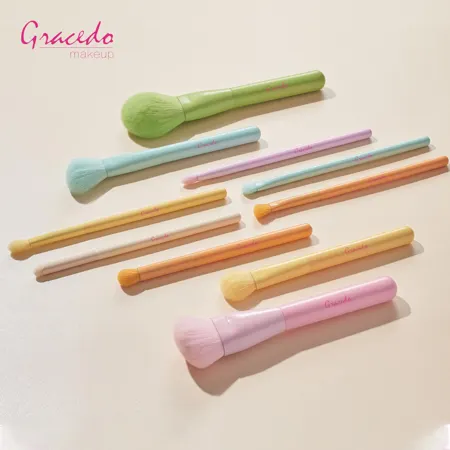
Brush Set Development: Design the Opening Experience
Plan a custom set around identification, unpacking and the customer’s first use of the tools.
Read the story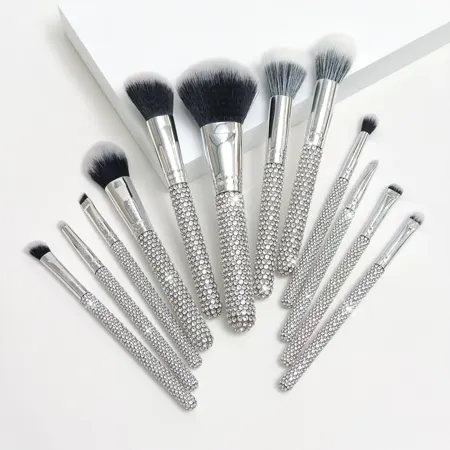
Cream and Powder Brush Sets: Review the Actual Formula Pairings
Build a mixed-formula assortment without treating broad material rules as a substitute for sample evaluation.
Read the story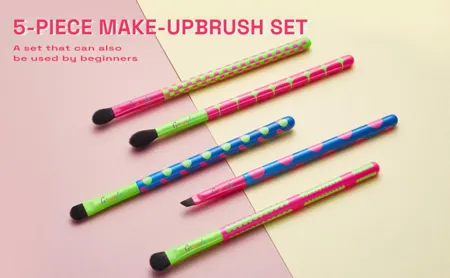
Brush Set Suppliers: Check How Product Questions Are Resolved
Evaluate a wholesale set proposal through the clarity of its component information and revision process.
Read the story
Join the conversation
Share your thoughts below. Comments appear after review.