Brush Production Hygiene: Ask About Practices Without Implying Sterility
Review production handling, packaging information and special hygiene claims as separate sourcing questions.
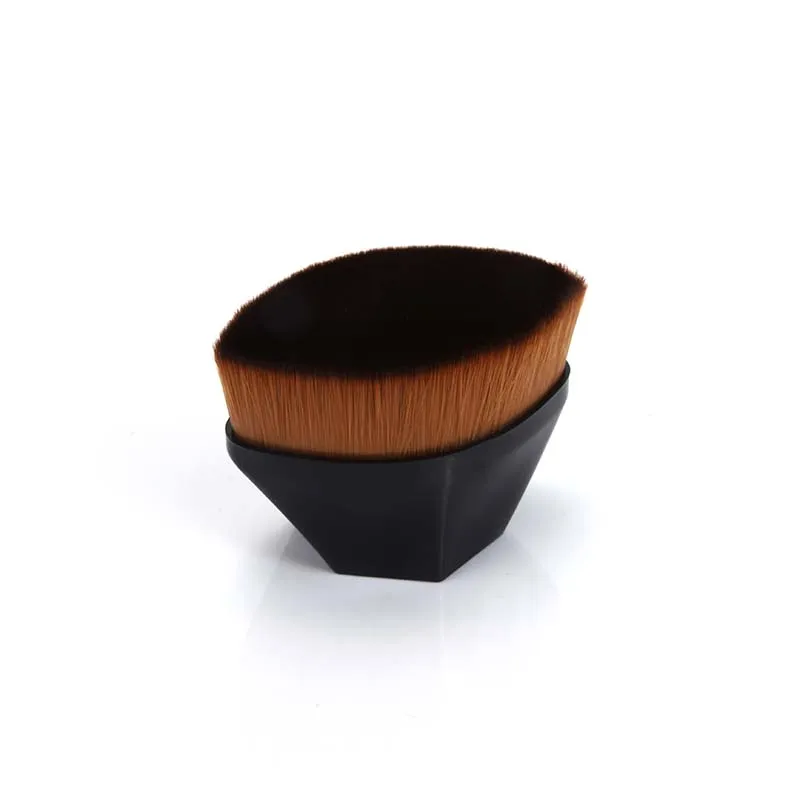
Understand the ordinary handling process
Ask the supplier to describe how the selected brushes are handled between assembly, finishing and packing. Request information about storage and the protective materials used during shipment. Keep those questions tied to the product you intend to purchase. A broad description of a workshop should not be treated as proof of a specific microbiological condition for every finished brush.
Review special claims independently
If the proposal includes antibacterial treatments or other hygiene-related language, ask for documentation identifying the exact item and assessment scope. Do not assume that a named treatment or a clean-looking pack establishes sterility or a benefit for sensitive skin. Keep proposed marketing statements separate from routine manufacturing information until the relevant evidence and wording have been reviewed for the intended market.
Make care information part of approval
Obtain instructions for cleaning, drying and storing the approved construction. Check that customers can find the guidance after the outer box is discarded. Review packaging descriptions carefully: individual wrapping is a format, not an automatic guarantee of a special hygiene property. Retain the product reference and supporting information together so a change in materials or packing triggers a fresh review.
Buyer checklist
- Ask about handling for the selected product.
- Separate special claims from routine practices.
- Approve practical care and storage instructions.
Keep reading
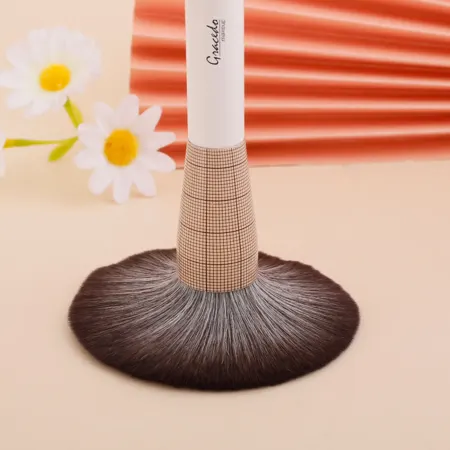
Foundation Brush Ranges: Connect the Tool to the Customer Routine
Choose foundation brush variants through application roles, understandable instructions and carefully controlled changes.
Read the story
Brush Sourcing at Trade Fairs: Separate Inspiration from Commitments
A practical method for comparing exhibition samples and turning fair conversations into written product decisions.
Read the story
Beauty Exhibitions and Local Markets: Ask Questions Before Assuming Demand
Use regional trade-show inspiration to develop a research brief rather than repeat unsupported market predictions.
Read the story
Join the conversation
Share your thoughts below. Comments appear after review.