Brush Design Innovation: Solve a Customer Problem First
Evaluate new brush ideas through useful differences, coordinated samples and clear product communication.

Name the problem before the feature
A new handle silhouette or unusual head may look distinctive, but a development brief needs a reason for the change. Identify the customer task, storage challenge or assortment gap the design is meant to address. Ask how the proposed feature relates to that need. This helps the team distinguish a meaningful product idea from a visual variation that adds complexity without a clear purpose.
Compare against a familiar reference
Request a sample of the proposed design and a suitable existing option for context. Give evaluators the same task and record what they notice about handling and identification. Avoid making the review a contest based only on appearance. If the new construction changes materials or care requirements, obtain that information before deciding how the product will be described.
Plan how the difference will be explained
A feature customers cannot recognize may need clearer naming, diagrams or packaging rather than a longer marketing paragraph. Check those elements at actual size. Keep the approved specification and sample version tied to the explanation used on the product page. Revisit both if the design changes, so the claimed innovation continues to refer to the item actually supplied.
Buyer checklist
- Define the customer problem in one sentence.
- Compare new and familiar samples fairly.
- Explain the verified difference clearly.
Keep reading
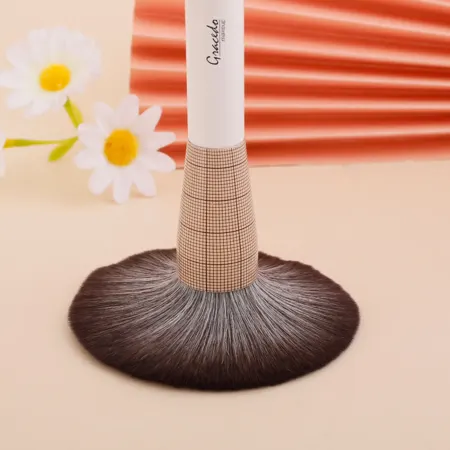
Foundation Brush Ranges: Connect the Tool to the Customer Routine
Choose foundation brush variants through application roles, understandable instructions and carefully controlled changes.
Read the story
Brush Sourcing at Trade Fairs: Separate Inspiration from Commitments
A practical method for comparing exhibition samples and turning fair conversations into written product decisions.
Read the story
Beauty Exhibitions and Local Markets: Ask Questions Before Assuming Demand
Use regional trade-show inspiration to develop a research brief rather than repeat unsupported market predictions.
Read the story
Join the conversation
Share your thoughts below. Comments appear after review.