Brush Brand Differentiation: Choose One Useful Signature
Build a recognizable brush range around a clear product idea rather than adding customization everywhere.
Select the feature customers should remember
A custom brush collection can become visually busy when every surface carries a different detail. Decide which feature best expresses the range: a concise application system, a distinctive handle proportion or a coordinated storage format. Write down why it matters to the customer. This gives the team a basis for choosing between attractive ideas without losing the product’s practical purpose.
Check whether the signature survives use
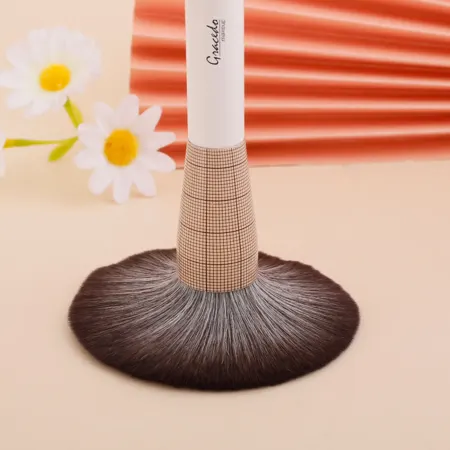
Review the assembled sample in its normal handling and packing context. A decorative feature may be hidden when held, or a product name may become unreadable on a smaller handle. Ask evaluators to identify the brush’s role from the actual presentation. Keep functional feedback distinct from visual preference so a recognizable look does not automatically authorize a less suitable working head.
Make expansion deliberate
Record the approved references for the signature feature and define how new products should relate to it. Not every brush needs identical proportions to belong in the same collection. Keep clear names and useful differences visible. If the design evolves, review the product description and packaging together so the brand identity remains a guide for customers rather than a constraint that makes the assortment harder to understand.
Buyer checklist
- Choose a clear, useful signature feature.
- Review recognition in the real product format.
- Let new products preserve functional differences.
Keep reading
Foundation Brush Ranges: Connect the Tool to the Customer Routine
Choose foundation brush variants through application roles, understandable instructions and carefully controlled changes.
Read the story
Brush Sourcing at Trade Fairs: Separate Inspiration from Commitments
A practical method for comparing exhibition samples and turning fair conversations into written product decisions.
Read the story
Beauty Exhibitions and Local Markets: Ask Questions Before Assuming Demand
Use regional trade-show inspiration to develop a research brief rather than repeat unsupported market predictions.
Read the story
Join the conversation
Share your thoughts below. Comments appear after review.