Beginner Brush Sets: Choose Clear Roles Instead of a Magic Number
Plan an approachable starter brush assortment around customer routines and understandable product guidance.
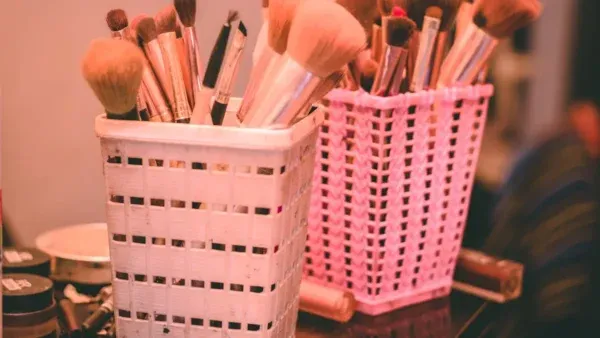
Start with the routine
A beginner collection does not need a fixed number of brushes to be useful. Identify the makeup steps your intended customers actually follow, then choose tools that support those steps. Face application, eye work and smaller detail tasks may call for different options. Avoid adding near-duplicate heads just to reach an impressive piece count on the package.
Make each brush easy to identify
Use consistent names and simple diagrams to connect each tool with its intended role. Check that the naming works on the handle, the outer box and the product page. If a brush can serve more than one task, explain the alternatives without implying every formula will behave identically. Review instructions with someone unfamiliar with the range before finalizing the layout.
Balance the set with practical storage
Lay out the complete assortment in its proposed pouch or tray. Check that heads have room and the customer can replace the brushes without forcing them into position. Include supplier-approved care instructions and identify components clearly in bulk packing. A smaller, well-explained set can be easier for staff to merchandise than a larger range with confusing overlap.
Buyer checklist
- Map the customer routine before counting pieces.
- Use matching names across all materials.
- Test the complete set inside its storage format.
Keep reading
Foundation Brush Ranges: Connect the Tool to the Customer Routine
Choose foundation brush variants through application roles, understandable instructions and carefully controlled changes.
Read the story
Brush Sourcing at Trade Fairs: Separate Inspiration from Commitments
A practical method for comparing exhibition samples and turning fair conversations into written product decisions.
Read the story
Beauty Exhibitions and Local Markets: Ask Questions Before Assuming Demand
Use regional trade-show inspiration to develop a research brief rather than repeat unsupported market predictions.
Read the story
Join the conversation
Share your thoughts below. Comments appear after review.