Assessing Brush Value Beyond the Quoted Unit Price
A wholesale brush decision should compare what the quotation includes and how the product is controlled. Low cost and strong marketing claims answer only part of the question.
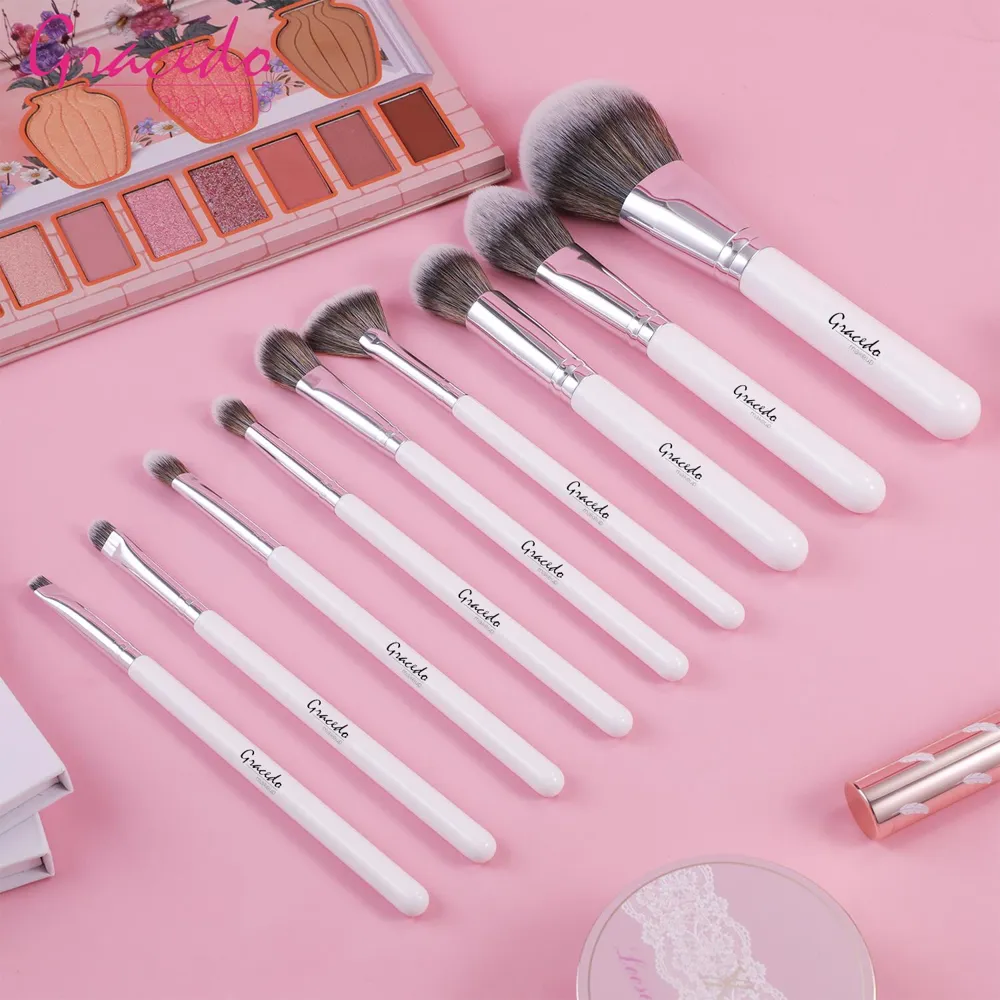
A wholesale brush decision should compare what the quotation includes and how the product is controlled. Low cost and strong marketing claims answer only part of the question.
Normalize the commercial comparison
Ask each supplier to quote the same brush construction, quantity and packaging scope. Separate setup, samples, decoration, assembly and freight assumptions. A cheaper unit may exclude something another quotation includes, so record those differences before ranking suppliers. Keep the date and validity of the quote visible.
Review the actual product evidence
Request representative samples and inspect dimensions, head structure, assembly and finish. Ask for supporting documents for material or performance claims that matter to the range. A company’s founding date, workforce or facility area provides background but does not establish the quality of the particular brush being offered.
Include the cost of uncertainty
Clarify how specification changes, defects and repeat orders are handled. Ask who can authorize substitutions and what records accompany production approval. A well-documented sample and workable resolution process can reduce avoidable confusion later. The comparison should explain why the supplier fits this order rather than declare a universal winner based on one price or profile.
Before approving the order
- Compare the same quotation scope.
- Inspect samples against a written brief.
- Record substitution and defect procedures.
Keep reading
Foundation Brush Ranges: Connect the Tool to the Customer Routine
Choose foundation brush variants through application roles, understandable instructions and carefully controlled changes.
Read the story
Brush Sourcing at Trade Fairs: Separate Inspiration from Commitments
A practical method for comparing exhibition samples and turning fair conversations into written product decisions.
Read the story
Beauty Exhibitions and Local Markets: Ask Questions Before Assuming Demand
Use regional trade-show inspiration to develop a research brief rather than repeat unsupported market predictions.
Read the story
Join the conversation
Share your thoughts below. Comments appear after review.